When you first dive into the world of custom apparel, dtf transfers can seem like a game-changer. They allow you to print full-color designs onto almost any fabric without the hassle of weeding or specialized equipment. But with so many options and techniques, how do you ensure you're getting the best results? This guide will walk you through everything you need to know about choosing and using DTF transfers, from understanding the technology to mastering application techniques.
What Are DTF Transfers and Why They Matter
DTF, or Direct to Film, is a printing method where your design is printed onto a special film, then coated with a powder adhesive and cured. The result is a transfer that can be applied to a wide range of materials, including cotton, polyester, blends, and even some non-textiles. Unlike other methods, dtf transfers don't require pre-treatment of the fabric, making them incredibly versatile and accessible for both beginners and professionals.
The technology behind dtf transfers has evolved rapidly, offering vibrant colors, fine details, and excellent durability. Whether you're running a small print shop or creating custom gear for your team, understanding DTF can open up new possibilities for your projects.
Choosing the Right DTF Transfers for Your Needs
Not all DTF transfers are created equal. The quality of the film, ink, and adhesive powder can vary significantly, affecting the final outcome. When selecting transfers, consider the following factors:
Film Quality
The film should be stable and easy to handle. Cheap films may wrinkle or cause printing defects. Look for films that are compatible with your printer and offer good ink absorption.
Ink and Color Vibrancy
High-quality DTF inks produce brighter colors and sharper details. If you're outsourcing transfers, ask about the inks used. For in-house production, invest in reputable ink brands.
Adhesive Powder
The powder determines how well the transfer bonds to the fabric. Finer powders generally provide a softer feel and stronger adhesion. Make sure the powder is evenly applied and cured properly.
Transfer Size and Customization
DTF transfers can be customized to any size, but ensure the film and printer can handle your desired dimensions. For large designs, check for film rolls that match your printer's width.
If you're looking for ready-made transfers, you might search for dtf transfers near me to find local suppliers who can provide quick turnaround and personalized service.
Step-by-Step Application Process
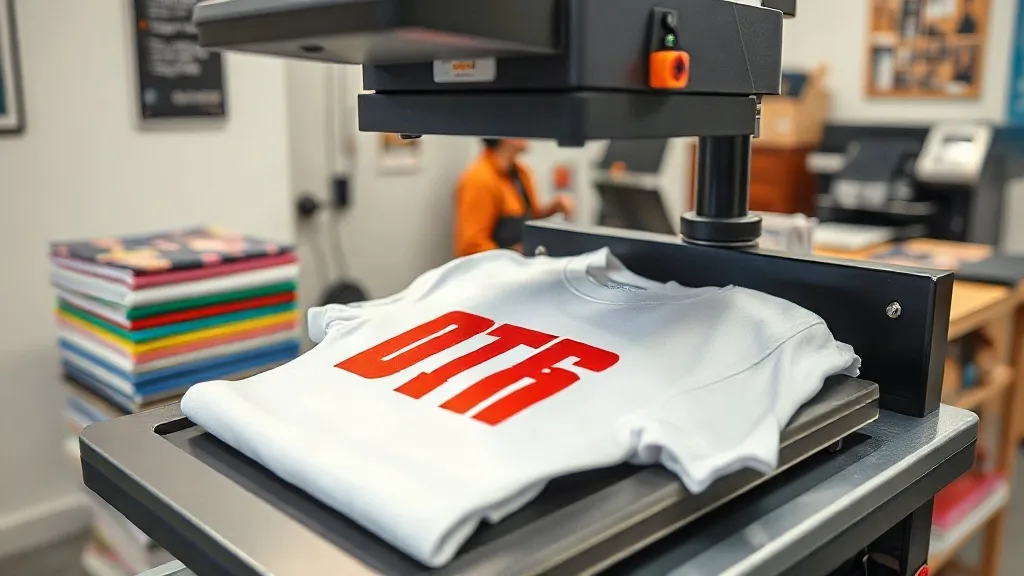
Applying DTF transfers is straightforward, but attention to detail ensures a professional finish. Follow these steps for flawless results:
- Prepare your heat press: Set the temperature to around 300-325°F (150-160°C) and preheat for a few seconds.
- Pre-press the garment: This removes moisture and wrinkles, ensuring better adhesion.
- Place the transfer: Position the transfer on the garment with the printed side up.
- Press: Apply medium pressure for 10-15 seconds.
- Peel: Wait a few seconds for the transfer to cool slightly, then peel the film smoothly. For a matte finish, peel while hot; for glossy, wait until cold.
- Post-press: Cover with parchment paper or a Teflon sheet and press again for 5 seconds to enhance durability.
Practice on scrap fabric to perfect your timing and pressure. Remember, each heat press may vary, so adjust settings accordingly.
Common Mistakes to Avoid
Even experienced users can run into issues. Here are some pitfalls to watch out for:
- Insufficient pressure: Leads to poor adhesion and early peeling.
- Wrong temperature: Too hot can scorch the fabric or melt the film; too cold results in weak bond.
- Peeling too early or too late: Follow the film's instructions for hot vs. cold peel.
- Ignoring fabric type: Some fabrics require lower temperatures or special handling.
- Not storing transfers properly: Keep unused transfers in a cool, dry place to prevent moisture damage.
By avoiding these mistakes, you'll achieve consistent, long-lasting results.
DTF vs. Other Printing Methods
How does DTF stack up against vinyl, screen printing, and DTG? Each has its strengths:
- DTF vs. Vinyl: DTF handles complex, multi-color designs without weeding, while vinyl is cost-effective for simple one-color designs.
- DTF vs. Screen Printing: DTF is better for small batches and detailed designs; screen printing excels in large runs with spot colors.
- DTF vs. DTG: DTF works on more fabric types and often has lower startup costs, while DTG is ideal for 100% cotton and has a softer feel.
Understanding these differences helps you choose the right method for each project.
Frequently Asked Questions
Can I use DTF transfers on dark fabrics?
Yes, DTF transfers include a white ink layer that makes them opaque on dark colors. Just ensure your design has a white underbase if needed.
How durable are DTF transfers?
When applied correctly, DTF transfers can withstand 50+ washes without significant fading or cracking. Proper care (washing inside out, avoiding high heat) extends their life.
Do I need a special printer for DTF?
You can either buy a dedicated DTF printer or convert an inkjet printer with DTF inks and film. For occasional use, outsourcing to a service is more cost-effective.
What fabrics work best with DTF?
DTF adheres well to cotton, polyester, blends, and even some non-wovens. It's not recommended for nylon or fabrics with special coatings.
How should I store unused DTF transfers?
Keep them in a cool, dry place away from direct sunlight. Use airtight containers to prevent moisture absorption.
With this guide, you're well-equipped to make informed decisions about dtf transfers and achieve stunning results. Whether you're a hobbyist or a pro, DTF offers a flexible, high-quality solution for your custom apparel needs.