
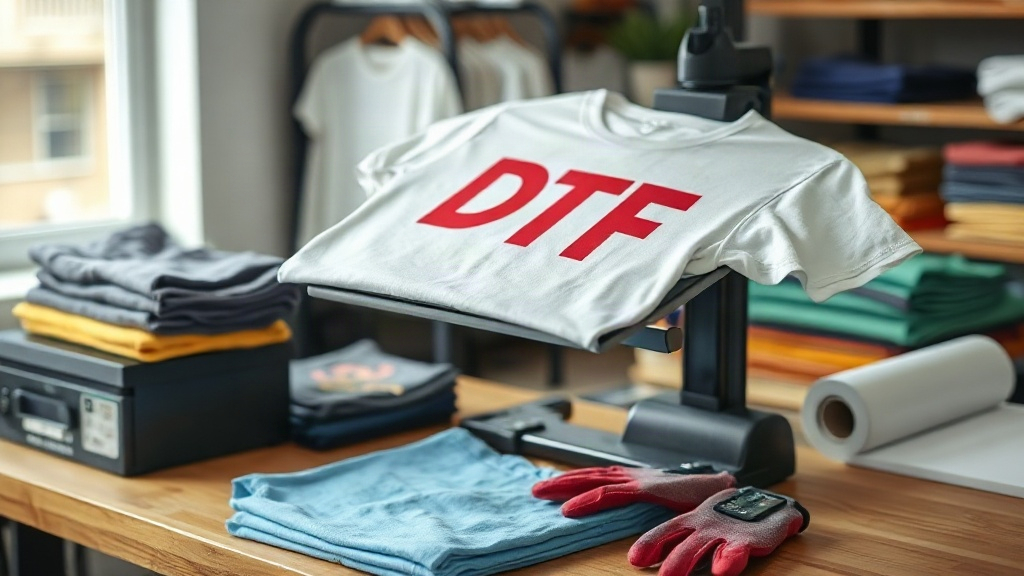
Choosing the right blank garment is half the battle when you're creating custom apparel with DTF transfers. The other half is knowing how to apply them so they last. Whether you're a small business owner, a hobbyist, or a print shop manager, the combination of quality blanks and proper technique determines whether your designs look professional or peel off after a few washes. In this guide, we'll explore two popular blank brands, Shaka Wear and Smart Blanks, and show you how to get the best results with DTF transfers.
Why the Blank Matters for DTF Transfers
DTF transfers are versatile and work on many fabrics, but not all blanks are created equal. The weave, fiber content, and finish of a garment affect how well the transfer adheres and how it feels. A common mistake is blaming the transfer when a print fails, when the real issue is the blank. For example, a tightly woven polyester blend may resist ink penetration, while a loose cotton knit can cause the transfer to sit on top and crack. Understanding your blank's characteristics helps you adjust your application process.
Fabric Composition: Cotton vs. Polyester vs. Blends
DTF transfers bond best with fabrics that have a smooth surface and can withstand heat. 100% cotton is a classic choice, offering a soft hand and excellent ink absorption. Polyester, on the other hand, requires lower temperatures to avoid scorching, but the transfer may not adhere as strongly. Blends like 50/50 cotton-poly are a middle ground. When using Shaka Wear, many of their tees are 100% cotton or cotton-rich blends, which are ideal for DTF. Smart Blanks offers a range of options, including tri-blends and performance fabrics, so you can match the blank to your design's needs.
Weave and Surface Texture
A tight weave provides a smoother canvas for the transfer, reducing the chance of the film sinking into the fabric. Looser knits, like some heavyweight tees, can create a textured print that may look distressed. If you're aiming for a crisp, photographic image, choose a blank with a fine, even weave. Both Shaka Wear and Smart Blanks have lines that cater to different textures, so test a few to see what works for your artwork.
Shaka Wear: A Staple for Streetwear and Beyond
Shaka Wear has built a reputation for durable, heavyweight tees that appeal to streetwear brands and screen printers. Their garments often feature a boxy fit and tight knit, which makes them a favorite for DTF transfers. The dense fabric holds the transfer well, and the smooth surface allows for fine detail. However, because Shaka Wear tees are heavier, you may need to adjust your heat press settings to ensure proper adhesion. A higher pressure and slightly longer dwell time can help the transfer penetrate the fibers without scorching.
Best Shaka Wear Styles for DTF
Not all Shaka Wear styles are equally suited for DTF. Their 100% cotton tees, such as the classic crew neck, are a safe bet. Avoid their poly-cotton blends if you're new to DTF, as they can be trickier to work with. For a soft-hand feel, consider their ring-spun cotton options. Always pre-press the garment to remove moisture and wrinkles, which helps the transfer bond evenly.
Smart Blanks: Versatility and Innovation
Smart Blanks is known for its wide range of apparel, from basic tees to fashion-forward cuts. Their fabrics often include sustainable options like organic cotton and recycled polyester, which appeal to eco-conscious brands. For DTF transfers, Smart Blanks offers a consistent surface that takes transfers well, but you should always check the fabric content. Their performance fabrics, designed for activewear, may require a specialty DTF film or a different application technique to ensure stretchability and durability.
Navigating Smart Blanks' Catalog
With so many options, it's easy to get overwhelmed. Start with their 100% cotton or cotton-heavy blends for traditional DTF. If you're printing on polyester, look for their sublimation-friendly styles, as these often have a coating that accepts DTF ink better. Smart Blanks also provides detailed spec sheets, so you can check the fabric weight and finish before ordering. Testing on a sample is always recommended.
Step-by-Step DTF Application on Shaka Wear and Smart Blanks
Applying DTF transfers is straightforward, but the details matter. Here's a process that works well for both brands, with adjustments for fabric type.
- Pre-press the garment: Set your heat press to 300-320°F (150-160°C) and press for 5-10 seconds to remove wrinkles and moisture. This step is crucial for Shaka Wear's heavy cotton, which can hold more moisture.
- Position the transfer: Place the DTF transfer with the printed side up. Use heat tape if needed to keep it in place.
- Press: For cotton, use medium pressure at 320°F for 15-20 seconds. For polyester, lower the temperature to 280-300°F and press for 10-15 seconds. Smart Blanks' performance fabrics may require a lower temp to prevent dye migration.
- Peel: Wait a few seconds for the transfer to cool slightly, then peel the film off in a smooth, consistent motion. If you see ink lifting, press again for a few seconds.
- Post-press: For added durability, cover the design with parchment paper and press for another 5-10 seconds. This helps the ink set into the fabric.
Adjusting for Fabric Differences
Shaka Wear's heavyweight cotton may need a bit more pressure to ensure the transfer reaches the fibers. Smart Blanks' lighter fabrics might require less pressure to avoid flattening the print. Always do a test press on a scrap piece to dial in your settings.
Durability and Wash Testing
One of the biggest concerns with DTF transfers is how they hold up after washing. Both Shaka Wear and Smart Blanks produce garments that, when paired with a quality DTF transfer and proper application, can withstand dozens of washes. To maximize longevity, wash inside out in cold water and tumble dry low. Avoid fabric softeners and harsh detergents, which can break down the adhesive. If you're selling your products, include care instructions to set customer expectations.
Common Pitfalls and How to Avoid Them
Even experienced printers run into issues. Here are a few common problems and solutions:
- Transfer not adhering: Usually due to insufficient pressure, wrong temperature, or a dirty garment. Clean the fabric and adjust your press.
- Cracking or peeling: Often caused by overstretching the garment during application or using too high a temperature that makes the ink brittle. Follow the recommended settings.
- Color fading: Polyester fabrics can cause dye migration, where the garment's dye bleeds into the transfer. Use a low-temperature DTF film or a blocker sheet.
- Stiff feel: DTF transfers inherently have a slight hand, but you can minimize it by using a quality transfer and not over-pressing. Shaka Wear's soft cotton helps mask the feel.
Frequently Asked Questions
Can I use DTF transfers on Shaka Wear's 50/50 blends?
Yes, but you'll need to adjust your heat press settings. Lower the temperature to around 300°F and reduce pressure slightly to avoid scorching the polyester. Always test first.
Do Smart Blanks' performance fabrics require special DTF film?
For stretchy performance fabrics, a stretchable DTF film is recommended to prevent cracking when the garment moves. Standard DTF film may work, but it won't stretch as well.
How long should I press DTF transfers on heavyweight cotton like Shaka Wear?
For heavyweight cotton, press at 320°F for 15-20 seconds with medium-firm pressure. Pre-pressing is essential to remove moisture.
Can I layer DTF transfers on Smart Blanks tees?
Yes, you can layer DTF transfers, but each layer needs to be pressed separately. Use a lower temperature for subsequent layers to avoid disturbing the first.
What's the best way to wash garments with DTF transfers?
Turn the garment inside out, wash in cold water with mild detergent, and tumble dry on low. Avoid ironing directly on the print.
By choosing the right blank and following these guidelines, you'll create DTF-printed apparel that looks great and lasts. Whether you go with Shaka Wear or Smart Blanks, the key is to test, adjust, and refine your process.