
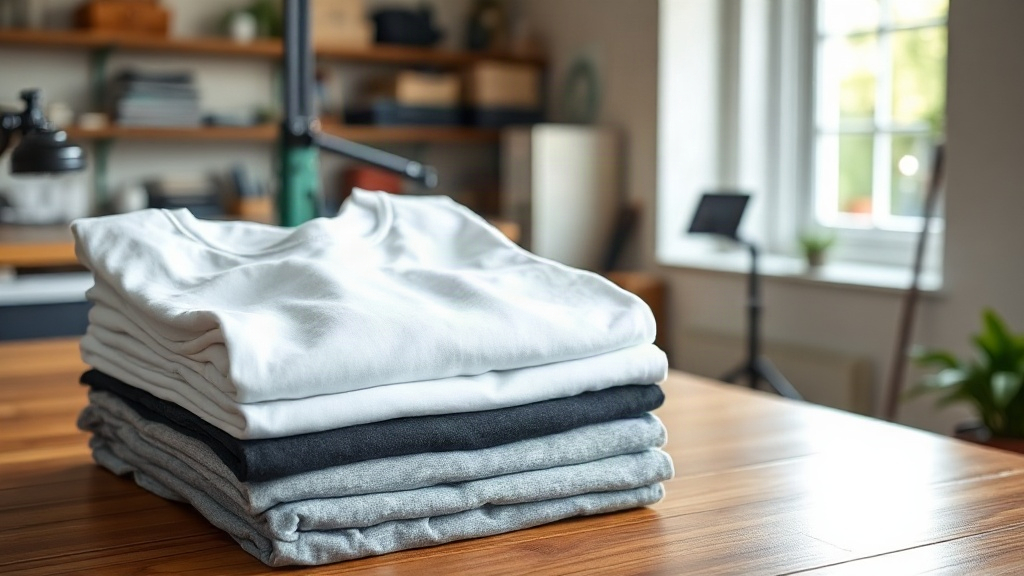
When it comes to creating standout apparel with DTF printing, the blank you choose is just as important as the design itself. Smart blanks are the foundation of a successful print, offering the right surface for vibrant, durable DTF transfers. But with so many options available, how do you select the best blank for your project? In this guide, we'll walk you through everything you need to know about smart blanks, from fabric composition to brand selection, so you can achieve professional results every time.
What Are Smart Blanks and Why Do They Matter?
Smart blanks are not just any t-shirt or hoodie; they are garments specifically engineered to work seamlessly with DTF printing. These blanks typically feature a tight weave, consistent surface, and optimal fabric blend that allows the transfer to adhere properly without cracking or fading. Unlike traditional screen printing, DTF transfers require a smooth, lint-free surface to ensure the ink bonds correctly. Smart blanks provide that ideal canvas.
But why should you care? Because the quality of your blank directly impacts the final product. A poor-quality blank can lead to uneven prints, premature peeling, and dissatisfied customers. On the other hand, a smart blank enhances the print's vibrancy, softness, and longevity. Whether you're a small business owner or a DIY enthusiast, investing in smart blanks is a game-changer for your DTF printing endeavors.
The Key Characteristics of Smart Blanks
Not all blanks are created equal. Smart blanks possess specific traits that make them ideal for DTF transfers:
- Fabric composition: A blend of cotton and polyester (typically 50/50 or 60/40) works best. The polyester content helps the DTF transfer adhere, while cotton provides comfort.
- Weave density: A tight weave prevents the transfer from sinking into the fabric, ensuring a smooth, professional finish.
- Color: Light-colored blanks are generally easier to print on, but with DTF, you can also print on dark colors using a white underbase.
- Pre-treatment: Some smart blanks come pre-treated to enhance adhesion, saving you time and effort.
When shopping for blanks, look for these features to ensure compatibility with DTF transfers.
Top Brands for Smart Blanks: Shaka Wear and Beyond
When it comes to reliable smart blanks, Shaka Wear stands out as a top choice among DTF printers. Known for their heavyweight cotton and superior construction, Shaka Wear blanks offer a premium feel that customers love. Their t-shirts and hoodies are designed to withstand the heat press process without shrinking or warping, making them a favorite for DTF transfers.
But Shaka Wear is not the only option. Other reputable brands include Bella+Canvas, Next Level, and Gildan. Each brand has its own strengths: Bella+Canvas is known for its soft, retail-fit tees; Next Level offers a wide range of colors; and Gildan provides budget-friendly options. The key is to test different brands and find the one that best suits your printing needs and customer preferences.
Why Shaka Wear Excels for DTF Printing
Shaka Wear has carved a niche in the DTF community for several reasons. Their blanks are made from 100% cotton or cotton-poly blends that hold up well under heat. The fabric is smooth and tightly woven, which allows the DTF transfer to adhere evenly. Additionally, Shaka Wear garments are pre-shrunk, so you don't have to worry about the design distorting after washing. Many printers report that Shaka Wear blanks produce vibrant, long-lasting prints with minimal effort.
If you haven't tried Shaka Wear yet, it's worth adding to your inventory. Their classic tees and fleece are particularly popular for streetwear and custom apparel.
How to Choose the Right Smart Blank for Your DTF Project
Selecting the perfect blank involves more than just picking a color. Consider these factors to make an informed decision:
- Fabric type: Cotton-poly blends are generally best for DTF. 100% cotton can work but may require a higher pressure or longer press time. 100% polyester can be tricky because the transfer may not adhere as well.
- Weight: Heavier fabrics (like 5.5 oz and up) tend to provide a more premium feel and better durability. Lighter fabrics are cooler but may not hold up as well.
- Fit and style: Choose blanks that match your target market. For example, trendy crop tops or oversized tees may be more appealing to younger audiences.
- Color: While DTF can print on any color, some colors may require a white underbase for opacity. If you're printing on dark colors, ensure your DTF transfers include a white layer.
- Budget: Balance cost with quality. Cheaper blanks might save money upfront but can lead to higher return rates and unhappy customers.
Always order samples before committing to a large batch. Test the blank with your DTF transfers to ensure compatibility.
Testing Blanks with DTF Transfers
Before you go into full production, it's crucial to test how your chosen blank interacts with DTF transfers. Here's a simple testing process:
- Pre-press the garment to remove moisture and wrinkles.
- Apply the DTF transfer according to the recommended temperature, pressure, and time (usually around 325°F for 10-15 seconds).
- Peel the transfer while it's hot or cold, depending on the film type.
- Wash the garment after 24 hours and check for fading, cracking, or peeling.
This test will reveal whether the blank is truly a smart blank for your DTF process.
Maximizing DTF Transfer Quality on Smart Blanks
Even with the best smart blanks, your DTF transfers can fail if you don't follow proper techniques. Here are some tips to ensure success:
- Use a quality heat press: Consistent temperature and pressure are critical. A clamshell or swing-away press works well.
- Pre-press the garment: This removes wrinkles and moisture, creating a smooth surface.
- Adjust settings: Different fabrics may require slight adjustments. Always follow the DTF transfer manufacturer's recommendations.
- Cool down properly: Let the transfer cool before peeling if using a cold-peel film. For hot-peel, remove immediately.
- Post-press: Some printers do a second press with a Teflon sheet to enhance durability.
By mastering these steps, you'll get the most out of your smart blanks and DTF transfers.
Common Mistakes to Avoid
Even experienced printers make mistakes. Watch out for these pitfalls:
- Using fabric softener before printing, which can prevent adhesion.
- Pressing on a damp garment, leading to steam and poor bonding.
- Applying too much pressure, which can cause the transfer to spread.
- Peeling too quickly, resulting in incomplete transfer.
By avoiding these, you'll achieve consistent, high-quality results.
Where to Buy Smart Blanks and DTF Transfers
Finding reliable suppliers is key to your DTF printing success. For smart blanks, consider wholesale distributors like Shaka Wear, which offers bulk pricing and a variety of styles. You can also find Shaka Wear blanks at online retailers such as Amazon or specialty apparel suppliers. For DTF transfers, look for reputable companies that provide high-quality films and inks. Some popular options include DTF Transfer Pro, Transfer Express, and of course, DTF Press Max, where you can find a range of DTF supplies and equipment.
When buying DTF transfers, ensure they are compatible with your printer and blanks. Always request samples to test before committing to large orders.
Frequently Asked Questions About Smart Blanks and DTF Printing
What are the best smart blanks for DTF printing?
The best smart blanks for DTF printing are typically cotton-poly blends with a tight weave. Brands like Shaka Wear are highly recommended due to their quality and consistency. Other good options include Bella+Canvas and Next Level. Always test a sample to ensure compatibility with your DTF transfers.
Can I use 100% cotton blanks for DTF transfers?
Yes, you can use 100% cotton blanks, but they may require slightly different pressing parameters. Cotton tends to absorb the transfer more, so you might need to increase pressure or time. However, for best results, a cotton-poly blend is often preferred.
How do I prevent DTF transfers from cracking on smart blanks?
To prevent cracking, ensure you're using a high-quality DTF transfer and follow the correct pressing instructions. Pre-press the garment, use consistent pressure, and avoid over-stretching the fabric. Washing the garment inside out in cold water and avoiding fabric softener will also help prolong the print's life.
Where can I buy Shaka Wear blanks for DTF printing?
Shaka Wear blanks are available through various online retailers, including Amazon, eBay, and wholesale distributors. You can also check Shaka Wear's official website for a list of authorized dealers. For bulk orders, contacting a wholesale supplier directly is often the most cost-effective option.
What DTF transfer settings work best on smart blanks?
The ideal settings depend on your specific heat press and transfer. Generally, a temperature of 325°F (160°C), medium pressure, and 10-15 seconds is a good starting point. Always refer to the DTF transfer manufacturer's instructions and adjust as needed based on your test results.