
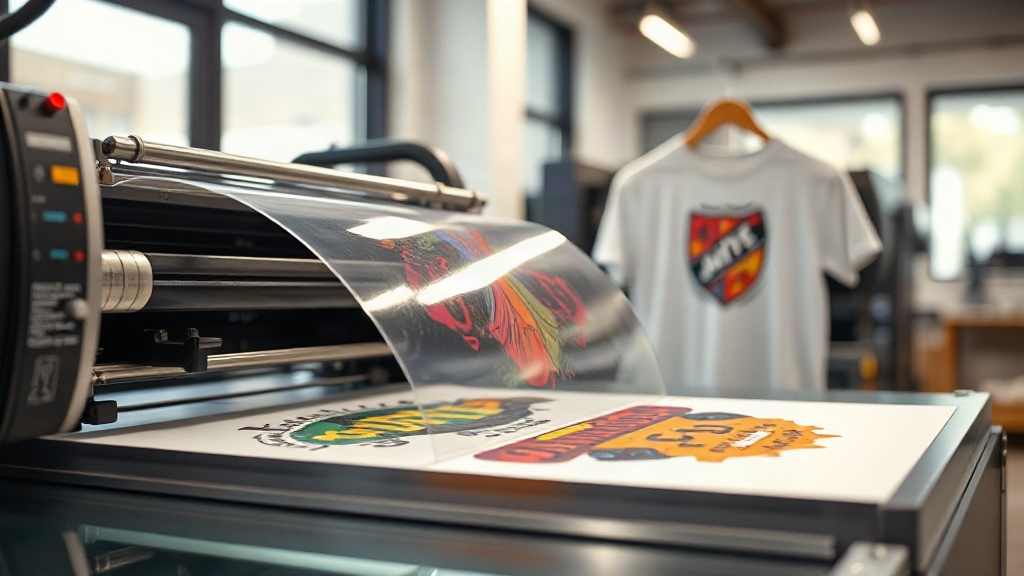
If you've been exploring custom apparel decoration, you've likely encountered DTF printing. This innovative method is quickly becoming a favorite among printers and creators for its versatility and vibrant results. But what exactly is DTF, and why is it generating so much buzz? In this guide, we'll dive deep into the world of DTF printing, covering everything from the basics to advanced tips. Whether you're a small business owner, a hobbyist, or just curious about the latest printing trends, this article will equip you with the knowledge to harness the power of DTF.
What is DTF Printing?
DTF stands for Direct-to-Film. It's a printing technology where designs are printed onto a special film, coated with adhesive powder, and then heat-pressed onto fabric. Unlike DTG (Direct-to-Garment) or screen printing, DTF doesn't require pretreating the garment or using specialized inks for different fabrics. This makes it incredibly versatile and cost-effective for short runs and complex designs.
The DTF Process Step by Step
Understanding the DTF process helps you appreciate its capabilities. Here's a breakdown:
- Design Preparation: Create your artwork in a graphics program, ensuring it's mirrored if necessary. DTF printers typically use CMYK plus white ink.
- Printing: The design is printed onto a PET film. The printer lays down a white ink layer first (for opacity), followed by color inks.
- Powder Application: While the ink is wet, a thermoplastic powder is applied to the film. The excess powder is shaken off.
- Curing: The film with powder is heated to melt the powder, creating a adhesive layer that will bond to fabric.
- Transfer: The film is placed on the garment and heat-pressed. After cooling, the film is peeled away, leaving the design.
Why Choose DTF Printing?
DTF offers several advantages over other printing methods. Let's explore why it might be the right choice for your next project.
Versatility Across Fabrics
One of the biggest selling points of DTF is its ability to adhere to a wide range of materials. Cotton, polyester, blends, leather, and even nylon can be decorated with DTF transfers. This eliminates the need for multiple printing setups, making it a one-stop solution for diverse product lines.
No Pretreatment Required
Unlike DTG printing, which often requires pretreating the garment to ensure ink adhesion and vibrancy, DTF skips this step. This saves time, reduces chemical use, and simplifies the workflow, especially for beginners.
Durability and Washability
When properly applied, DTF prints are highly durable. They resist cracking, peeling, and fading even after multiple washes. The key is following correct heat press settings and caring for the garment as recommended.
Cost-Effective for Short Runs
Screen printing requires setup costs per color, making short runs expensive. DTF eliminates screens and allows you to print one-off designs or small batches profitably. This is perfect for custom orders, samples, and personalized gifts.
Applications of DTF Printing
DTF is used in various industries and creative projects. Here are some common applications:
- Custom T-shirts: Ideal for detailed, multi-color designs.
- Sportswear: Team jerseys, uniforms, and activewear.
- Bags and Accessories: Tote bags, backpacks, and hats.
- Home Decor: Pillows, curtains, and upholstery.
- Promotional Items: Corporate giveaways and event merchandise.
Getting Started with DTF Printing
Ready to dive into DTF? Here's what you need to know to set up your workflow.
Essential Equipment
To start DTF printing, you'll need:
- A DTF printer (e.g., Epson converted models or dedicated DTF printers).
- DTF inks (CMYK and white).
- PET film.
- Adhesive powder.
- Heat press.
- Curing oven or heat gun (optional but recommended).
Choosing the Right Supplies
Quality supplies make a difference. Look for reputable brands of film and powder. The powder's particle size affects the feel and durability of the print. Finer powder gives a softer hand.
Perfecting Your Heat Press Settings
Temperature, pressure, and time are critical. Typically, DTF transfers require 300-320°F (150-160°C) for 10-15 seconds with medium pressure. Always test with your specific equipment.
Common Challenges and Solutions
Like any printing method, DTF has its quirks. Here are some common issues and how to fix them.
Ink Not Adhering to Film
This can happen if the film is not compatible or if the printer settings are off. Ensure you're using the correct side of the film and that your printer is properly calibrated.
Powder Not Sticking
If powder doesn't stick, the ink may be too dry. Print immediately before powdering. Also, check that the powder is dry and free of clumps.
Design Cracking After Wash
Cracking often results from under-curing the powder or insufficient pressure during transfer. Increase curing time and pressure, and ensure the garment is flat.
DTF vs. Other Printing Methods
How does DTF stack up against DTG, screen printing, and sublimation?
- DTF vs. DTG: DTF works on more fabrics and doesn't require pretreatment, but DTG can be softer on cotton.
- DTF vs. Screen Printing: Screen printing is more cost-effective for large orders, but DTF wins for detailed designs and small batches.
- DTF vs. Sublimation: Sublimation only works on polyester and requires white fabric, while DTF can print on any color and material.
Tips for Success with DTF
To get the best results, keep these tips in mind:
- Maintain your printer regularly to avoid clogs.
- Store film and powder in a cool, dry place.
- Use a heat press with consistent pressure.
- Test new materials before full production.
- Keep up with industry trends and new products.
Frequently Asked Questions
What fabrics can I use with DTF printing?
DTF transfers can be applied to cotton, polyester, blends, leather, nylon, and more. It's one of the most versatile printing methods available.
How long do DTF prints last?
With proper application and care, DTF prints can last as long as the garment itself. They resist cracking and fading through many wash cycles.
Do I need a special printer for DTF?
You can convert certain inkjet printers (like Epson) to use DTF inks, or purchase a dedicated DTF printer. The choice depends on your budget and production volume.
Is DTF printing cost-effective?
Yes, especially for short runs and complex designs. There's no need for screens or pretreatment, reducing setup costs and time.
Can I use DTF on dark garments?
Absolutely. The white ink layer in DTF printing provides a base that makes colors pop on dark fabrics.
With its flexibility, durability, and ease of use, DTF printing is a game-changer for anyone in the custom apparel industry. Whether you're just starting or looking to expand your services, mastering DTF can open up new opportunities. So why not give it a try? Your customers will love the vibrant, long-lasting results.