
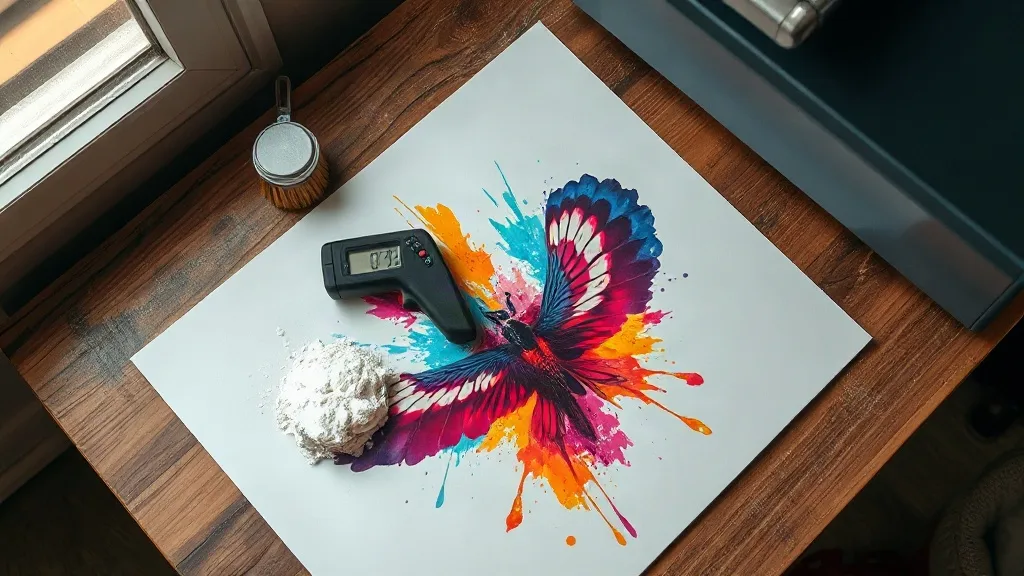
Walk into any small print shop that added garment decoration in the last few years and you will usually find the same scene: a heat press in the corner, a cutting plotter, and a small printer that smells faintly of hot plastic. That printer is often running dtf transfers, and for a lot of shops it has quietly replaced vinyl cutting for anything with more than two colors. The appeal is easy to understand. You can print a full-color design, powder it, cure it, press it onto cotton, polyester, or a blend, and hand over a shirt that survives the wash. No screens, no color separations, no minimum order of fifty pieces.
What gets lost in the marketing videos is the part that actually decides whether the process makes money: film choice, powder application, cure consistency, and press settings that match the fabric in front of you. This guide is written for people running or planning a small shop, so the focus stays on decisions you make at the bench rather than on specifications that only matter to manufacturers.
What DTF actually is, stripped of the sales pitch
Direct-to-film printing works by printing a mirror-image design onto a coated PET film using water-based pigment inks, then applying a thermoplastic adhesive powder to the wet ink. The powder sticks where there is ink and falls away where there is not. Heat melts it into a flexible adhesive layer. The result is a transfer sheet you can store, ship, or press onto a garment whenever you need it.
The dtf process differs from sublimation in one important way: it does not require a polyester surface or a light-colored garment. Sublimation dye bonds with polyester molecules, which is why it fades on cotton and cannot produce white. DTF sits on top of the fabric as an adhesive film, so white ink is printed as white ink and cotton is no problem at all.
It also differs from screen printing in the way it changes your workflow. Screen printing rewards volume. Setting up a four-color job takes time, and that time only pays off across dozens or hundreds of pieces. DTF rewards variety. Ten different designs in quantities of one are all the same amount of work per piece, which is exactly the pattern most small shops see from online orders and craft fair customers.
The equipment decision that shapes everything else
Shops tend to enter DTF through one of two doors, and the door you pick determines your costs and your quality ceiling.
Buying a purpose-built DTF printer
A dedicated DTF printer includes a white ink channel, a powder shaker unit, and often a curing oven in a single footprint. The advantage is consistency. White ink circulates on a schedule the machine controls, powder application is even, and the curing temperature is set once and repeated. The disadvantage is cost and maintenance discipline. White pigment ink settles, so daily agitation and regular printing are not optional. A machine that sits idle for a week will clog, and a clogged white channel is the most expensive repair in the shop.
Converting an existing printer
Some shops start by converting a DTG or eco-solvent printer with a DTF ink set and a separate powder station. This lowers the entry cost but puts more of the process on your hands. You will be applying powder manually, judging cure by eye and infrared thermometer, and managing white ink settling without automated circulation. It works, and plenty of shops produce sellable transfers this way, but it demands a routine. If nobody in the shop owns that routine, quality will drift.
The powder and film choices that matter most
Adhesive powder comes in fine, medium, and coarse grades. Fine powder gives sharper detail and a softer hand, which suits small text and intricate logos. Coarse powder builds a thicker adhesive layer that grips textured fabrics and stretchy blends better. Most shops keep both and match the powder to the job rather than standardizing on one.
Film matters just as much. Standard cold-peel film is the workhorse: you press, wait for the sheet to cool completely, then peel. Hot-peel film lets you strip the carrier while the press is still warm, which speeds up production but leaves less room for error on stretchy garments. Peel behavior also changes the finish. Cold peel generally produces a slightly glossier surface; hot peel tends to look more matte. Neither is better, but your customers will notice the difference, so it helps to be consistent.
Press settings that actually hold up in production
Every film and powder combination has a temperature window, and the window is narrower than most beginners expect. A typical starting point is 300 to 320 degrees Fahrenheit for 10 to 15 seconds at medium pressure, but treat that as a starting point, not a rule. Fabric thickness, press platen condition, and even room temperature shift the result.
Three habits separate shops with reliable output from shops that fight the same problems every week:
- Pre-press the garment first. Two or three seconds of pressing removes moisture and wrinkles. Moisture trapped under a transfer turns into steam during the press and shows up later as blisters or a cloudy patch.
- Use consistent pressure. Medium, even pressure across the platen. Too little and the adhesive never fully engages with the fabric weave; too much and the design spreads and the edges thin out.
- Respect the peel temperature. If the film says cold peel, wait. Peeling early pulls adhesive away from the garment and leaves a dull, patchy edge that will lift in the wash.
After peeling, a short second press under a cover sheet or parchment improves the bond and smooths the surface. It takes five seconds and it makes a visible difference on the finished shirt.
Fabric compatibility without the guesswork
DTF adheres to a very wide range of materials: cotton, polyester, blends, canvas, denim, and even some nylons. The variables that change results are stretch and texture, not fiber content.
On high-stretch fabrics such as spandex blends and athletic jerseys, a rigid transfer will crack because the adhesive cannot move with the fabric. The fix is a stretch-oriented powder and a design that avoids large solid blocks of ink. Thin outlines and moderate coverage flex far better than a full chest rectangle of color.
On heavily textured fabrics like canvas totes or coarse hoodie fleece, the challenge is penetration. The adhesive needs to reach into the weave rather than bridge across the top of it. Coarser powder, slightly higher pressure, and a longer dwell time solve most of these cases.
Waterproof and coated fabrics are the exception worth flagging. A DTF transfer pressed onto a water-repellent shell will often peel because there is nothing for the adhesive to grip. Test a scrap before you promise a customer anything.
Where to source transfers if you do not print in-house
Not every shop wants a printer, a shaker, and an oven. Plenty of decorators handle the pressing and fulfillment themselves and order finished transfer sheets from a production partner. This is a sensible model for shops that are strong on design and customer service but short on floor space or maintenance appetite.
If that describes you, the practical question becomes how to find a reliable supplier for dtf transfers near me. Turnaround time matters more than a few cents of unit price, because a late transfer means a missed deadline and an unhappy customer. Ask three things before committing: what film and powder they use, whether they gang multiple designs onto one sheet to save you money, and how they handle a misprint. A supplier who answers those clearly is usually a supplier who ships on time. Ordering a small test batch before a large run is never wasted money.
The mistakes that cost small shops the most
After enough production runs, patterns emerge. These are the ones that show up repeatedly.
- Skipping the daily white ink routine. White pigment settles fast. A short circulation cycle and a small test print every morning prevent the clogs that shut a printer down for days.
- Under-curing to save time. A transfer that looks fine off the press can fail after five washes if the powder never fully melted. Cure time is not a place to shave seconds.
- Over-powdering. Excess powder that does not bond with ink ends up as a gritty halo around the design. Shake off the excess properly and brush the sheet before curing.
- Ignoring humidity. Damp storage conditions affect both film and powder. Keep them sealed and dry, and the process behaves predictably.
- Pricing by gut feeling. Track film, ink, powder, and labor per sheet. Once you know the real cost of an A4 sheet, pricing becomes a calculation rather than a guess.
Frequently asked questions
How many washes should a DTF transfer survive?
A properly cured transfer on a compatible fabric typically holds up through dozens of home washes. Longevity depends far more on cure consistency and wash temperature than on the transfer itself. Washing inside out in cold water and tumble drying low will noticeably extend the life of any pressed garment.
Can I press DTF onto a garment that already has a zipper or buttons?
Yes, but you need to work around the hardware. Use a smaller platen or a pressing pillow so the zipper sits below the pressing surface, and never let metal hardware contact the heat platen directly. Pressing over a zipper will damage both the transfer and, eventually, the press.
Is DTF more expensive per shirt than vinyl?
For a single-color name or number, vinyl is usually cheaper and faster. For multi-color designs, gradients, or photographic artwork, DTF wins on both cost and labor because there is no weeding and no layering. Most shops keep both methods and choose based on the job rather than picking a favorite.
How should I store unused transfer sheets?
Keep them flat, cool, and dry, away from direct sunlight. Stacking sheets face to face with the printed side protected prevents the adhesive from picking up dust or sticking to the sheet above. Most shops get good results storing them in a closed drawer or a sealed bag at room temperature for several months.
Do I need a special press for DTF?
A standard swing-away or clamshell heat press with reliable temperature and pressure control is enough. The features that matter are even pressure across the platen and a temperature reading you trust. An infrared thermometer to verify the platen surface is a cheap upgrade that prevents a lot of ruined garments.
The technology behind dtf transfers is not complicated, but the discipline around it is what separates a shop that produces consistent work from one that reprints orders. Get the film, powder, and press settings aligned with your actual fabrics, keep the white ink moving, and the process becomes one of the most flexible tools on your floor.