
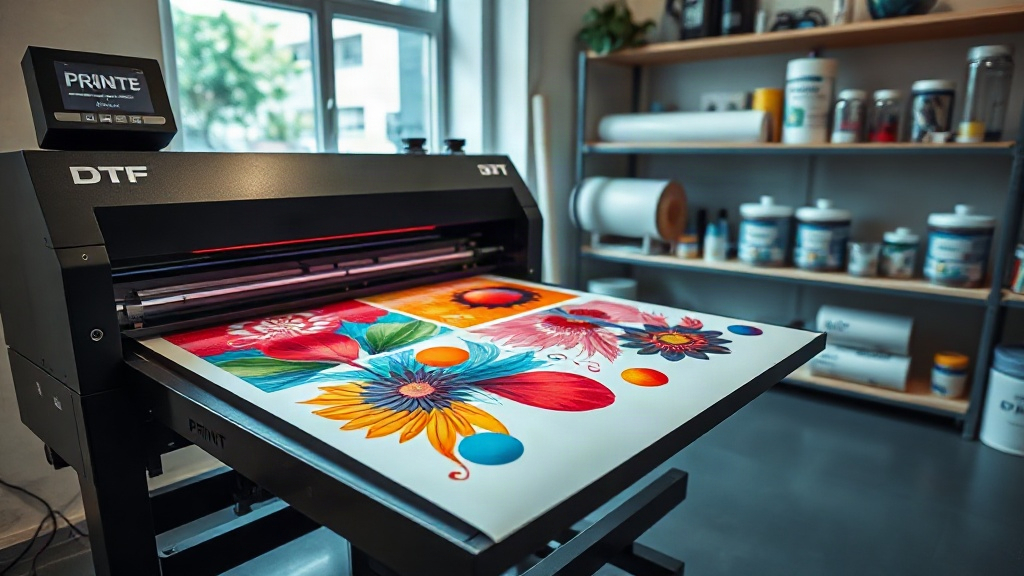
If you've been anywhere near the custom apparel scene lately, you've probably heard the buzz about DTF printing. Short for direct-to-film, this technology has quickly become a favorite among print shops, hobbyists, and anyone looking to create vibrant, durable designs on fabrics. But what exactly is DTF, and why does it seem like everyone is talking about it? In this guide, we'll break down the entire process, from design to finished product, and show you why DTF might just be the solution you've been searching for.
What is DTF Printing?
DTF stands for direct-to-film. It's a printing method where your design is printed onto a special PET film using water-based inks, coated with a hot-melt adhesive powder, and then transferred onto fabric using a heat press. Unlike DTG (direct-to-garment) printing, which prints directly onto the fabric, DTF allows you to print on a wide range of materials, including cotton, polyester, blends, and even nylon. The result is a soft, stretchable, and incredibly durable print that can withstand repeated washing without fading or cracking.
The magic of DTF lies in its versatility. You can print full-color, photographic-quality images with fine details, gradients, and even white ink as a base, all in a single pass. This opens up possibilities that were previously difficult or expensive with other methods like screen printing or vinyl cutting.
How Does DTF Printing Work?
Let's walk through the DTF printing process step by step. While it might sound technical, it's actually quite straightforward once you understand the components.
1. Design Preparation
Everything starts with a digital design. You can create your artwork in software like Adobe Photoshop, Illustrator, or even free tools like GIMP or Canva. The key is to ensure your design is in a high-resolution format, typically 300 DPI, and in CMYK color mode. If your design has white areas, you'll need to create a white underbase layer, which the DTF printer will use to ensure the colors pop on dark fabrics. Most DTF printers come with RIP (Raster Image Processor) software that handles this automatically, but it's good to know the basics.
2. Printing onto Film
The prepared design is sent to a DTF printer, which uses specialized pigment inks. These printers are equipped with printheads that can handle white ink, which is crucial because white ink is denser and tends to settle, so the printer needs a recirculation system to keep it mixed. The printer lays down the white ink first (if needed), followed by the CMYK colors, all onto a sheet of PET film. The film has a special coating that allows the ink to adhere properly.
3. Applying Adhesive Powder
Once the design is printed, the film is moved to a powdering station. Here, a fine thermoplastic powder is sprinkled over the wet ink. This powder will act as the adhesive that bonds the print to the fabric. The excess powder is shaken off, and then the film goes through a curing oven or a heat press to melt the powder into a smooth, gel-like layer. This step is critical because it determines how well the transfer will stick and how long it will last.
4. Transferring to Fabric
Now comes the actual transfer. You place the film onto your fabric with the powder side down, and apply heat and pressure using a heat press. Typical settings are around 300°F (150°C) for 10-15 seconds with medium pressure. The heat melts the adhesive, bonding the ink to the fabric. After pressing, you let it cool completely, then peel off the film. The result is a vibrant, flexible print that feels like it's part of the fabric.
Why Choose DTF Printing?
There are plenty of reasons why DTF has become a go-to method for so many. Here are some of the biggest advantages:
- Versatility: Works on almost any fabric, including cotton, polyester, blends, nylon, and even leather. No need for pre-treatment like with DTG.
- Durability: The prints are stretchable and resist cracking, peeling, and fading. They can outlast the garment itself.
- Detail and Color: You can achieve fine details, gradients, and vibrant colors, including white and neon inks.
- Cost-Effective for Small Batches: Unlike screen printing, which requires separate screens for each color, DTF is economical for short runs and one-off designs.
- No Weeding: Unlike heat transfer vinyl, there's no tedious weeding process. You print, powder, press, and you're done.
DTF vs. Other Printing Methods
How does DTF stack up against DTG, screen printing, and vinyl? Let's compare.
DTF vs. DTG
DTG prints directly onto the garment, which means it's limited mostly to cotton fabrics. It also requires pre-treatment, which adds time and cost. DTF, on the other hand, can be used on a much wider range of materials and doesn't need pre-treatment. DTG prints can sometimes feel stiff on dark shirts due to the white underbase, while DTF transfers are generally softer and more stretchable.
DTF vs. Screen Printing
Screen printing is still the king for large orders of the same design. It's fast and cost-effective at high volumes. But for small batches or complex designs with many colors, screen printing becomes expensive and time-consuming. DTF shines in these scenarios, offering full-color prints without the setup costs.
DTF vs. Heat Transfer Vinyl (HTV)
HTV is great for simple designs and single-color text, but it requires weeding, which is labor-intensive. It also can't achieve the same level of detail or color gradients as DTF. Plus, HTV can peel over time if not applied perfectly. DTF transfers are more forgiving and durable.
Getting Started with DTF Printing
If you're ready to dive into DTF, here's what you'll need:
- DTF Printer: Options range from entry-level models to industrial machines. Look for one with a white ink circulation system.
- DTF Inks: Specifically formulated pigment inks for DTF printing.
- PET Film: Available in rolls or sheets. Choose the right thickness for your printer.
- Adhesive Powder: Usually TPU-based, available in fine or coarse grades.
- Heat Press: A quality heat press is essential for consistent results.
- RIP Software: Often included with the printer, but you can also purchase separate RIP software.
Start with a small setup to learn the ropes. Practice on different fabrics and adjust your heat press settings accordingly. Join online communities and forums to troubleshoot and share tips.
Common Challenges and How to Overcome Them
Like any printing method, DTF has its quirks. Here are some common issues and solutions:
- Clogged Printheads: White ink can settle, so regular maintenance and daily printing are key. Use a cleaning kit and follow the manufacturer's guidelines.
- Poor Adhesion: This often comes down to incorrect powder application or insufficient heat/pressure during transfer. Make sure the powder is evenly applied and cured properly, and check your heat press settings.
- Color Issues: Ensure your design is in CMYK and that your printer's color profiles are calibrated. Sometimes, a slight adjustment in the RIP software can make a big difference.
- Cracking or Peeling: This can happen if the transfer is stretched too much or if the garment is washed improperly. Always follow care instructions and test stretchability before selling.
Frequently Asked Questions
What fabrics can I use with DTF printing?
DTF printing works on a wide range of fabrics, including cotton, polyester, cotton-poly blends, nylon, and even leather. It's one of the most versatile printing methods available.
How long does a DTF print last?
When applied correctly, a DTF print can last as long as the garment itself. It resists cracking, peeling, and fading, even after multiple washes. Proper washing (inside out, cold water, no bleach) will extend its life.
Do I need special software for DTF printing?
Most DTF printers come with RIP software that handles color management and white ink layering. However, you can also use third-party RIP software if you prefer. Your design software should be capable of exporting high-resolution CMYK files.
Is DTF printing cost-effective for small businesses?
Absolutely. DTF is very cost-effective for small batches and one-off designs because there are no setup fees like with screen printing. The main costs are the printer, inks, film, and powder, which are reasonable for the flexibility you get.
Can I print white ink with DTF?
Yes, white ink is a standard feature in DTF printing. It's used as a base layer to make colors vibrant on dark fabrics, and it can also be used on its own for white designs.
Now that you have a solid understanding of DTF printing, you're ready to explore the possibilities. Whether you're a small business owner, a hobbyist, or just curious about custom apparel, DTF offers a powerful, flexible, and durable solution. Check out dtfpressmax.com for more resources, supplies, and tips to get started on your DTF journey.