
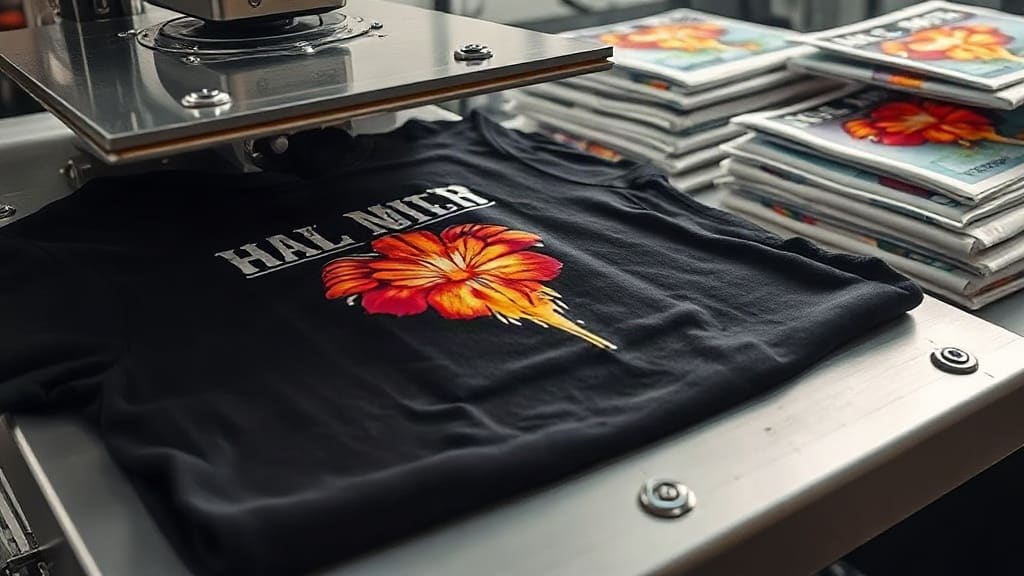
If you are in the custom apparel business, you have probably heard about DTF printing. It stands for Direct to Film, and it has taken the industry by storm. But what exactly is it, and why are so many print shops and small businesses making the switch? In this guide, I will break down everything you need to know about DTF transfers, from how they work to how to find the best DTF transfers near me. Whether you are a seasoned printer or just starting out, this article will give you the inside scoop on this game changing technology.
I remember the first time I tried a DTF transfer. I was skeptical, honestly. I had been using screen printing and vinyl for years, and I thought, "How could this new method possibly compare?" But after testing it on various fabrics, I was blown away by the softness of the print and the vibrant colors. It was a game changer for my small business. And I am not alone. Many printers are now offering DTF services because of its versatility and cost effectiveness.
What Is DTF Printing?
Direct to Film, or DTF, is a printing method where a design is printed onto a special film, then transferred onto fabric using a heat press. Unlike Direct to Garment (DTG) which prints directly onto the shirt, DTF prints onto a film first. This film is coated with a special adhesive powder, which is then melted during the heat press process to bond the design to the fabric.
The process involves several steps: first, the design is printed onto a PET film using a DTF printer. Then, an adhesive powder is applied to the wet ink. The powder is then cured, either by heat or UV light, depending on the system. Finally, the film is placed on the garment, and heat and pressure are applied. The result is a durable, stretchy, and vibrant print that feels soft to the touch.
How Does DTF Compare to Other Methods?
You might be wondering, "Why not just use screen printing or vinyl?" Each method has its pros and cons. Screen printing is great for large orders, but it has a high setup cost and is not ideal for small runs or complex designs with many colors. Vinyl is perfect for simple designs and names, but it can crack and peel over time, and it is limited in color gradients.
DTF transfers, on the other hand, offer several advantages. They work on a wide range of fabrics, including cotton, polyester, blends, and even nylon. The prints are soft and stretchable, making them comfortable for everyday wear. And because the design is pre-printed on film, you can print multiple colors and gradients with ease, without the need for screens or weeding.
Benefits of Using DTF Transfers
Why are so many people searching for DTF transfers near me? Here are some of the biggest benefits:
- Versatility: You can apply DTF transfers to almost any fabric, from cotton tees to polyester sports jerseys. This makes it a one stop solution for various products.
- Durability: DTF prints are known for their resistance to cracking, peeling, and fading. They can withstand repeated washing and stretching, making them ideal for everyday clothing.
- Soft Hand Feel: Unlike some vinyl transfers, DTF prints have a soft, almost invisible texture. You do not get that thick, rubbery feel that many people dislike.
- Vibrant Colors: The printing process allows for bright, saturated colors, even on dark fabrics. You can achieve photo quality prints with gradients and fine details.
- Cost Effective for Small Runs: If you need just a few shirts or a custom order, DTF is much more affordable than screen printing, which requires a large minimum quantity.
- Easy to Apply: If you have a heat press, you can apply DTF transfers in just a few seconds. It is a simple process that does not require special skills.
How to Choose a DTF Transfer Provider
When you search for DTF transfers near me, you will likely find several options. But not all providers are created equal. Here are some factors to consider:
Quality of Transfers
The quality of the transfer depends on the printer, the ink, and the powder used. Look for a provider that uses high quality CMYK inks and a fine adhesive powder. You can ask for samples to test the feel and durability of the print. A good transfer should be soft, stretchy, and have a strong bond to the fabric.
Pricing and Minimums
Pricing can vary significantly between providers. Some may have a low minimum order, while others require bulk orders. For small businesses, it is important to find a provider that offers reasonable prices without sacrificing quality. Compare prices per square foot or per print, and check if there are any setup fees.
Turnaround Time
If you are in a rush, you need a provider that can deliver quickly. Many DTF services offer next day or even same day production. However, keep in mind that shipping time adds to the total. If you are local, you might be able to pick up your orders directly.
Customer Service
Good customer service is essential. You want a provider that is responsive, helpful, and willing to answer your questions. Read reviews and ask for recommendations from other printers. A reliable provider will ensure that your transfers are consistent and defect free.
How to Apply DTF Transfers
Applying a DTF transfer is straightforward, but there are some tips to ensure a perfect result:
- Pre press your garment: This removes moisture and wrinkles, ensuring a smooth surface. Press for 2 to 3 seconds at 300°F (about 149°C).
- Place the transfer: Put the film on the garment with the printed side facing up. Make sure it is positioned exactly where you want it.
- Use a heat press: Set your heat press to about 320°F (160°C) with medium pressure. Press for 10 to 15 seconds. The exact time and temperature may vary, so follow the provider's instructions.
- Peel the film: After pressing, let the garment cool for a few seconds, then peel the film off slowly. You can do a hot peel or cold peel, depending on the transfer. Most DTF transfers are hot peeled, but some require cooling.
- Post press: To ensure the adhesive is fully set, you can press again for a few seconds with a Teflon sheet or parchment paper over the design.
One common mistake is not applying enough pressure. If the pressure is too low, the adhesive may not bond properly, leading to peeling. Also, make sure the heat press is calibrated correctly. I once used a press that was running about 20 degrees cooler than the display, and my first few transfers looked great but washed out after a few cycles. After recalibrating, the problem disappeared.
DTF Transfers Near Me: Local vs. Online
When you search for DTF transfers near me, you might find local print shops or online services. Both have their advantages.
Local Providers
Supporting local businesses has its perks. You can build a personal relationship, see samples in person, and avoid shipping costs. If you need a rush order, you can often pick it up the same day. However, local providers might have higher prices or limited capabilities.
Online Providers
Online DTF transfer services often offer lower prices due to economies of scale. They can handle large volumes and provide a wide range of customization options. The downside is that you have to wait for shipping, and you cannot inspect the quality until it arrives. But many online providers send proofs and samples before you commit.
In my experience, a mix of both works best. For quick, small orders, I use a local shop. For larger runs or specialty items, I turn to online services. This gives me flexibility and ensures I always have what I need.
Cost Considerations
The cost of DTF transfers depends on several factors: the size of the design, the number of colors, and the quantity ordered. On average, you can expect to pay between $1 and $5 per transfer for standard sizes like 8x10 inches. Smaller designs, like a 3x3 inch logo, might cost as little as $0.50 each in bulk.
If you are planning to use DTF for your business, consider the following costs:
- Setup fees: Some providers charge a one time fee for creating the film positive, but many now include it for free.
- Bulk discounts: The more you order, the cheaper per unit. If you have regular orders, it is worth ordering in larger quantities.
- Shipping: Factor in shipping costs, especially for online orders. Some providers offer free shipping over a certain amount.
It is also important to compare the cost per printed shirt. While DTF transfers themselves are affordable, you also need to consider the cost of the garment and your labor. But in general, DTF is more cost effective than DTG for small to medium runs, and it is more affordable than screen printing for short runs.
DTF Transfers for Different Applications
One of the reasons DTF is so popular is its versatility. You can use DTF transfers on:
- T shirts and apparel: The most common use, perfect for custom t shirts, hoodies, and sweatshirts.
- Sportswear: Since DTF works well on polyester and nylon, it is great for jerseys, athletic wear, and performance fabrics.
- Workwear: Durable enough for uniforms and work shirts that need to withstand frequent washing.
- Bags and accessories: You can apply transfers to tote bags, backpacks, and even hats.
- Home textiles: Pillowcases, aprons, and towels can be personalized with DTF transfers.
However, there are some limitations. DTF is not recommended for very lightweight fabrics like silk or for items that require high breathability. Also, on extremely stretchy materials, the print might not flex as well as the fabric. But for most common applications, DTF is an excellent choice.
Common Mistakes and How to Avoid Them
Even experienced printers can make mistakes with DTF. Here are some common pitfalls:
Using the Wrong Film Side
DTF film has a printable side and a non printable side. If you print on the wrong side, the ink will not adhere, and you will waste film and ink. Always check the film's specifications and make sure you load it correctly in the printer.
Not Curing the Powder Properly
The adhesive powder must be cured correctly to ensure a strong bond. If it is under cured, the transfer may peel off; if over cured, it can become brittle. Follow the manufacturer's recommendations for temperature and time.
Skipping the Pre Press
Pre pressing the garment removes moisture and wrinkles. If you skip this step, the transfer might not adhere evenly, leading to cracks or bubbles. Always pre press for a few seconds.
Applying Too Much Heat
Excessive heat can scorch the fabric or cause the adhesive to bleed. Stick to the recommended temperature and time. It is better to do a test press first on a scrap piece of fabric.
DTF Transfers Near Me: What to Look For
If you are ready to try DTF, you might be wondering how to find the best DTF transfers near me. Here are some tips:
- Search online: Use search engines and local business directories. Look for reviews and ratings from other customers.
- Ask for samples: A reputable provider will be happy to send you samples. Test them on your own garments to see the quality.
- Check their equipment: Ask about the printers and inks they use. High quality equipment often results in better prints.
- Inquire about their process: Find out if they use a powder shaker or if they cure with heat. A good provider will be transparent about their methods.
- Compare prices: While price is important, do not sacrifice quality for a lower cost. Cheap transfers might not last, costing you more in the long run.
I remember when I was looking for a DTF provider, I contacted three local shops. One did not respond to my emails, another had a minimum order of 50 pieces, and the third was very helpful, sending me samples within two days. I went with the third, and I have been using them ever since. That personal touch made all the difference.
DIY DTF: Is It Worth It?
If you are a printer, you might consider investing in your own DTF equipment. This allows you to produce transfers in house and have full control over the process. However, it is a significant investment. A DTF printer can cost anywhere from $2,000 to $10,000, and you also need a powder shaker, curing oven, and heat press.
For small businesses, it might be more cost effective to outsource your DTF transfers to a professional service. You avoid the upfront costs and maintenance, and you can focus on your core business. As your volume grows, you can revisit the idea of bringing production in house.
Future of DTF Printing
The DTF industry is constantly evolving. New inks and films are being developed to improve color vibrancy and durability. Some companies are working on eco friendly options that reduce waste. And as more businesses adopt DTF, the prices are likely to become even more competitive.
I believe that DTF is here to stay. It offers a perfect balance of quality, versatility, and cost effectiveness. Whether you are a hobbyist or a large scale manufacturer, DTF transfers can help you create stunning products that your customers will love.
Frequently Asked Questions
What are DTF transfers?
DTF transfers are designs printed onto a special film, then transferred to fabric using heat and pressure. They are known for their vibrant colors, soft feel, and durability.
How long do DTF transfers last?
With proper care, DTF transfers can last as long as the garment itself. They are resistant to cracking and peeling, and they can withstand many washes without fading.
Can I use DTF transfers on dark shirts?
Yes, DTF transfers work great on dark fabrics. The white ink layer provides a base that makes colors pop, even on black or navy.
Do I need a heat press to apply DTF transfers?
Yes, a heat press is recommended, as it provides consistent pressure and temperature. While you can use a home iron, it is difficult to achieve the same results.
Are DTF transfers better than screen printing?
It depends on your needs. DTF is more cost effective for small runs and complex designs, while screen printing is better for large quantities of simple designs. DTF also offers a softer feel and works on more fabric types.
Final Thoughts
DTF transfers have revolutionized the custom apparel industry. They offer a unique combination of quality, versatility, and affordability that is hard to beat. Whether you are looking to start a print on demand business or expand your existing services, DTF is definitely worth considering.
If you are searching for DTF transfers near me, take the time to research and test different providers. Look for quality, reliability, and good customer service. And remember, the success of your product depends not only on the transfer but also on how well you apply it. Practice makes perfect, so do not be afraid to experiment.
I hope this guide has given you a comprehensive understanding of DTF printing. If you have any questions, feel free to reach out to a local provider or join online forums where printers share their experiences. Happy printing!