
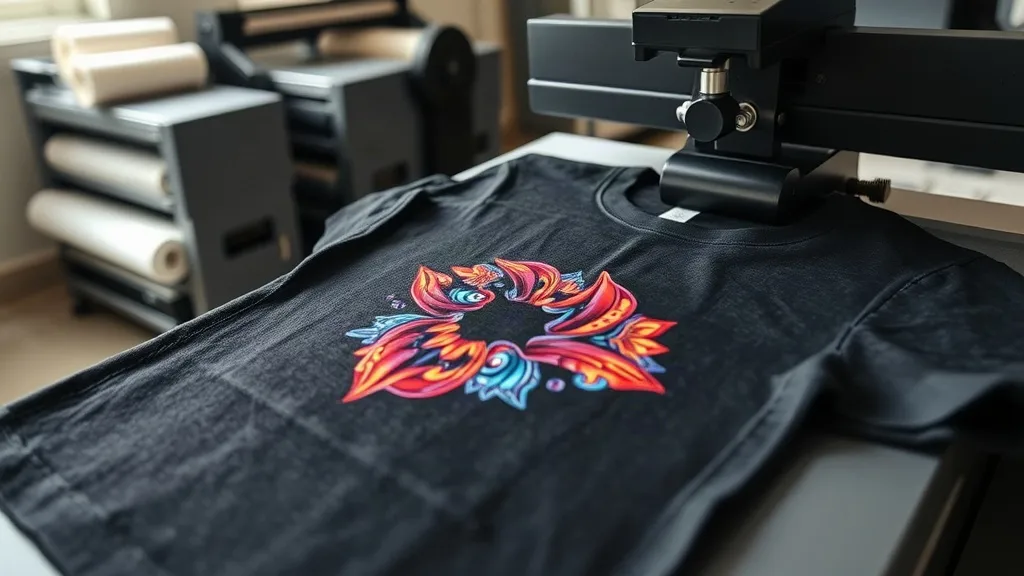
Imagine pressing a vibrant, full-color design onto a dark cotton hoodie in minutes, without the hassle of weeding or layering vinyl. That's the promise of dtf printing, a digital transfer technology that has taken the custom apparel world by storm. Whether you're a small business owner, a hobbyist, or a professional decorator, understanding dtf transfers can open up a world of creative possibilities and streamline your production. In this guide, we'll walk you through everything you need to know about DTF transfers, from the science behind the print to practical tips for flawless results.
We'll cut through the hype and give you actionable insights, so you can decide if DTF is right for your shop. Let's dive in.
What Are DTF Transfers?
DTF stands for Direct to Film. It's a printing method where your design is printed onto a special PET film using a DTF printer. The printer lays down CMYK inks, followed by a layer of white ink, and then a powdered hot-melt adhesive. After printing, the film is cured, and the design is ready to be transferred onto fabric using a heat press. The result is a soft, stretchable print that bonds permanently to the garment.
Unlike DTG (Direct to Garment), which prints directly onto the fabric, DTF transfers allow you to print on a wide range of materials, including cotton, polyester, blends, and even leather. This versatility is a game-changer for decorators who work with diverse clientele.
How DTF Transfers Work: Step by Step
Understanding the process helps you troubleshoot and achieve consistent quality. Here's a breakdown of the key stages:
1. Design Preparation
Your artwork needs to be in a digital format, typically a PNG or TIFF with a transparent background. The DTF printer uses CMYK inks, so colors should be in RGB mode for optimal vibrancy. For best results, use high-resolution images (300 DPI) and avoid overly fine details that might get lost in translation.
2. Printing
The DTF printer prints the design onto the film. First, the color layer is printed, then a white ink layer is applied to make the colors pop on dark garments. Some printers also print a second white layer for extra opacity. The film is then dusted with a hot-melt powder, which acts as the adhesive.
3. Curing
The printed film passes through a curing oven or under a heat source to melt the powder. This step is critical: under-curing leads to poor adhesion, while over-curing can cause the film to warp. Follow your powder manufacturer's temperature and time recommendations.
4. Transferring
Using a heat press, you apply the transfer to the garment. Typical settings are 300-325°F (150-160°C) for 10-15 seconds with medium pressure. Peel the film either hot or cold, depending on the film type. The result is a vibrant, durable print that stretches with the fabric.
Why Choose DTF Transfers?
DTF transfers offer several advantages that make them a favorite among decorators:
- No weeding or masking: Unlike vinyl, DTF transfers come ready to press. No tedious cutting or weeding required.
- Full-color capability: Print complex, multi-color designs with gradients and fine details that would be impossible with vinyl.
- Works on almost any fabric: Cotton, polyester, blends, nylon, leather, and more. No need to pre-treat garments.
- Durable and stretchable: The prints withstand repeated washing and stretching without cracking or fading.
- Cost-effective for short runs: No setup fees or minimum orders; print one or one hundred.
These benefits make DTF an attractive option for small businesses, promotional products, and personalized gifts.
DTF vs. Other Printing Methods
How does DTF stack up against DTG, screen printing, and vinyl? Let's compare.
DTF vs. DTG
DTG prints directly onto the garment, which can be limiting for dark colors (requires pre-treatment) and polyester (dye migration issues). DTF transfers, on the other hand, can be pressed onto any color and material without pre-treatment. DTF also tends to have a softer hand and better durability on synthetic fabrics.
DTF vs. Screen Printing
Screen printing is cost-effective for large orders but requires setup and is impractical for complex designs with many colors. DTF shines for small to medium runs and detailed artwork, with no color limitations.
DTF vs. Vinyl
Vinyl is great for simple, single-color designs but can't handle gradients or photographic images. DTF transfers can reproduce any design, no weeding needed.
Applications of DTF Transfers
DTF transfers are incredibly versatile. Here are some popular applications:
- Custom apparel: T-shirts, hoodies, leggings, jackets, and more.
- Promotional items: Tote bags, hats, aprons, and uniforms.
- Personalized gifts: Baby onesies, pet bandanas, and memory quilts.
- Sportswear: Jerseys, team uniforms, and performance wear.
Whether you're decorating for a sports team or creating a fashion line, DTF can handle it.
Tips for Perfect DTF Transfers
To get the best results, follow these expert tips:
- Use quality supplies: Invest in a reliable DTF printer, film, and powder. Cheap materials lead to poor adhesion and fading.
- Control moisture: DTF powder absorbs moisture, so store it in an airtight container and use within the recommended timeframe.
- Pre-press garments: Remove wrinkles and moisture from the fabric before pressing the transfer.
- Adjust pressure: Too little pressure results in poor adhesion; too much can cause the design to spread. Aim for medium, even pressure.
- Test peel: Always do a test press on a scrap fabric to determine the best peel method (hot vs. cold) for your film.
- Wash inside out: Advise customers to wash garments inside out in cold water and tumble dry low to extend the life of the print.
These practices will help you achieve professional, long-lasting results.
Common Mistakes to Avoid
Even experienced decorators can slip up. Here are pitfalls to watch for:
- Under-curing the powder: This leads to transfers peeling off after a few washes. Always follow the powder's curing guidelines.
- Using too much powder: Excess powder creates a rough texture and can clog the printer. Shake off excess gently.
- Pressing on a damp garment: Moisture creates steam, which can ruin the transfer. Pre-press to remove moisture.
- Ignoring film instructions: Some films require hot peel, others cold. Using the wrong method can ruin the transfer.
- Storing transfers improperly: Keep unused transfers in a cool, dry place to prevent the powder from absorbing moisture.
Avoiding these mistakes will save you time and materials.
Frequently Asked Questions About DTF Transfers
How long do DTF transfers last?
With proper application and care, DTF transfers can last as long as the garment itself. They withstand dozens of washes without cracking or fading, especially if you follow washing instructions.
Can I use DTF transfers on dark garments?
Absolutely. DTF transfers include a white ink layer that makes colors vibrant on dark fabrics. No pre-treatment is needed.
Do I need a special printer for DTF?
Yes, you need a DTF printer that uses DTF inks and film. However, you can also buy pre-printed DTF transfers from suppliers if you don't want to invest in a printer.
What fabrics work best with DTF?
DTF works on cotton, polyester, blends, nylon, leather, and more. It's not recommended for fabrics with a heavy coating or waterproof finish.
How do I store DTF transfers?
Store them in a cool, dry place, away from direct sunlight. Keep them in a sealed bag to prevent moisture absorption.
DTF transfers are revolutionizing the custom apparel industry with their versatility, durability, and ease of use. Whether you're just starting out or looking to expand your services, mastering DTF can set you apart. For high-quality DTF supplies and expert advice, visit dtfpressmax.com today.