
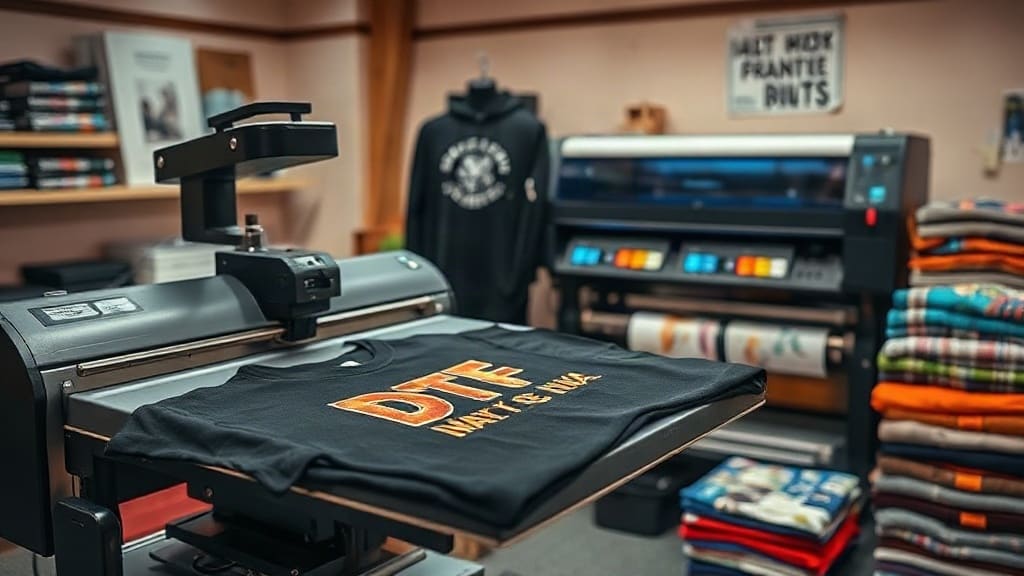
If you've ever searched for custom apparel printing options, you've likely come across DTF transfers. This innovative method has taken the custom printing world by storm, offering vibrant colors, excellent durability, and the ability to print on various fabrics. But finding the right provider can be challenging, especially when you're searching for DTF transfers near me. In this guide, I'll share everything I've learned from years of experience in the industry, so you can make an informed choice and get the best possible results for your projects.
When I first started using DTF transfers, I made the mistake of choosing a provider based solely on price. The result? Faded prints and cracked designs after just a few washes. That experience taught me the importance of quality over cost. Over the years, I've tested numerous local and online suppliers, and I've discovered what truly matters when selecting a DTF transfers provider. In this article, I'll walk you through the key factors to consider, questions to ask, and red flags to avoid.
What Are DTF Transfers and Why Are They So Popular?
DTF (Direct to Film) transfers are a printing method where your design is printed onto a special PET film, coated with adhesive powder, and then heat-pressed onto your garment. Unlike traditional screen printing or vinyl, DTF offers several advantages:
- Versatility: DTF works on cotton, polyester, blends, and even leather.
- Soft feel: The prints have a soft, almost non-existent hand feel.
- Durability: With proper care, DTF prints can last for years without cracking or fading.
- No weeding: Unlike vinyl, there's no need for tedious weeding of intricate designs.
- Full-color capability: DTF prints can include gradients, shadows, and photorealistic details.
These benefits have made DTF a favorite among small business owners, hobbyists, and large-scale print shops alike. But the quality of your prints depends heavily on the supplier you choose.
How to Find DTF Transfers Near Me
When you search for DTF transfers near me, you'll likely get a list of local printing shops. While local suppliers offer advantages like faster turnaround and direct communication, not all are created equal. Here's my step-by-step process for vetting a local provider:
1. Check Their Portfolio
A reputable provider will proudly showcase their work. Ask to see samples of DTF transfers they've produced, especially on different fabric types. Pay attention to color vibrancy, detail sharpness, and the texture of the print. If you can, request a free sample of your own design. Most quality suppliers will provide a small test print at no cost or for a minimal fee.
2. Inspect the Film and Adhesive
The quality of the PET film and adhesive powder used is crucial. High-quality films are smooth and have a glossy finish, while lower-grade films may have a rough texture or uneven coating. The adhesive should be applied uniformly and be tacky enough to stick to the fabric after pressing. You can also ask about the brand of films and inks they use; reputable brands like Kornit or Epson are good signs.
3. Ask About Their Printing Process
Inquire about their equipment and software. Are they using industrial-grade printers and heat presses? Do they use ICC color profiles to ensure accurate color reproduction? A professional shop will be transparent about their process and happy to answer your questions.
4. Look for Reviews and References
Online reviews on Google, Yelp, and social media can give you insights into a company's reliability. But don't stop there; ask for references from past clients, especially those in similar industries. A supplier with a strong track record in custom apparel will have no problem providing references.
5. Evaluate Their Customer Service
From the first interaction, note how they respond to your inquiries. Are they prompt, helpful, and knowledgeable? Do they offer design assistance or artwork setup? Excellent customer service is a sign of a business that values its clients and will likely go the extra mile to ensure your satisfaction.
Key Factors to Consider When Choosing a DTF Transfers Provider
Beyond the initial vetting, there are several technical aspects you should consider to ensure you're getting a product that will perform well:
1. Color Consistency
One of the biggest challenges with DTF printing is color consistency. If you're printing a logo, you'll want the colors to match your brand exactly. Ask your provider how they handle color matching. Do they use Pantone color guides? Do they offer proofing before the final print? A reliable supplier will work with you to achieve the exact shades you need.
2. White Ink Opacity
White ink is the base of DTF printing, and its opacity determines how vibrant your design appears on dark fabrics. High-quality white ink should be dense and opaque, providing a solid foundation for the colors on top. If the white ink is too thin, your design may look washed out or require multiple layers, which can affect durability.
3. Adhesive Strength
The adhesive powder is what bonds the transfer to your garment. If the adhesive is weak, the print may peel or crack after washing. Test this by pressing a sample and washing it multiple times. A good transfer should withstand at least 30 washes without significant deterioration.
4. Resolution and Detail
Check the resolution of their prints. High-resolution DTF transfers can capture fine details like small text or intricate patterns. Ask about the DPI (dots per inch) they use. A professional shop will typically print at 600 DPI or higher.
5. Turnaround Time
Depending on your needs, turnaround time can be crucial. If you have a deadline for an event or a client order, you'll want a supplier who can deliver within your timeframe. Local providers often offer same-day or next-day service for urgent orders, but confirm this upfront.
Comparing DTF Transfers Near Me vs. Online Suppliers
While finding a local provider has its perks, sometimes an online supplier might be a better fit. Here's a quick comparison to help you decide:
- Local: Faster shipping, can see samples in person, easier communication, but possibly higher prices and limited design options.
- Online: Often more competitive pricing, wider range of products and sizes, but longer shipping times and less personal interaction.
In my experience, many small business owners start with local suppliers for quick orders but also maintain an online backup for larger quantities or specialty items. If you're on the fence, I recommend testing both and comparing the quality and service.
Common Mistakes to Avoid When Ordering DTF Transfers
Even with a great supplier, there are pitfalls that can ruin your prints. Here are some mistakes I've seen (and made) that you should avoid:
1. Not Preparing Your Artwork Properly
Your design needs to be in the correct format, resolution, and color mode. Most providers prefer PNG or AI files with transparent backgrounds and at least 300 DPI. Save your file as a CMYK or RGB depending on their requirements, and ensure your text is converted to outlines to prevent font issues.
2. Ignoring Fabric Compatibility
While DTF works on many fabrics, it doesn't perform equally on all. For example, stretchy materials or those with heavy texture may require special handling. Always inform your provider about the fabric type you'll be using so they can adjust the transfer accordingly.
3. Incorrect Heat Press Settings
Even the highest quality transfer will fail if you don't press it correctly. Follow the supplier's guidelines for temperature, pressure, and time. Typically, DTF transfers require about 320°F (160°C) for 15 seconds with medium to firm pressure. But always do a test press to ensure optimal results.
4. Skipping a Test Run
Before committing to a large order, always order a small test batch. This allows you to evaluate the quality, wash test, and ensure the colors match your expectations. It's a small price to pay for peace of mind.
How to Get the Best Value for Your Money
When comparing prices, don't just look at the cost per transfer. Consider the total cost including shipping, setup fees, and any additional charges. Also, factor in the quality and durability of the prints. A cheaper transfer that fades after a few washes is not a bargain if you have to reorder or replace items.
Many providers offer volume discounts, so if you have a large order, don't be shy to negotiate. Also, consider joining loyalty programs or subscribing to newsletters for exclusive deals. In my experience, building a relationship with a reliable supplier can lead to perks like free shipping or priority production.
DTF Transfers Near Me: Final Tips for Success
Choosing the right DTF transfers provider is a critical decision for your business or personal projects. Take your time to research, ask questions, and test samples. Remember, the cheapest option is rarely the best in the long run. Focus on quality, consistency, and customer service.
I hope this guide has given you the confidence to find the perfect local supplier. If you have any questions or want to share your own experiences, feel free to leave a comment below. Happy printing!
Frequently Asked Questions
How much do DTF transfers typically cost?
The cost of DTF transfers varies based on size, complexity, quantity, and the supplier. On average, you can expect to pay anywhere from $0.50 to $5 per transfer for standard sizes. Bulk orders usually lower the per-unit cost. Always request a quote for your specific design to get an accurate price.
How long do DTF transfers last on garments?
With proper application and care, DTF transfers can last for many washes, often over 30-50 washes without significant fading or cracking. The longevity depends on the quality of the transfer, the fabric, and how you care for the garment (washing in cold water and air drying helps).
What is the minimum order quantity for DTF transfers?
Many local suppliers have low minimums, often starting at just one transfer, while others may require a minimum of 10 or more. Online suppliers might have similar policies. If you're just testing, look for shops that offer sample packs with no minimum.
Can I use DTF transfers on dark fabrics?
Yes, DTF transfers are ideal for dark fabrics because of the white ink base. The white layer ensures that the colors remain vibrant and opaque even on black or dark-colored garments. Just ensure that your design includes a white underbase if it contains any transparent areas.
How should I store and care for DTF transfers?
Store unused DTF transfers in a cool, dry place away from direct sunlight. Before pressing, make sure the film is flat and free of wrinkles. After applying, allow the garment to cool completely before wearing or washing. For best results, wash inside out in cold water and avoid using bleach or fabric softeners.