
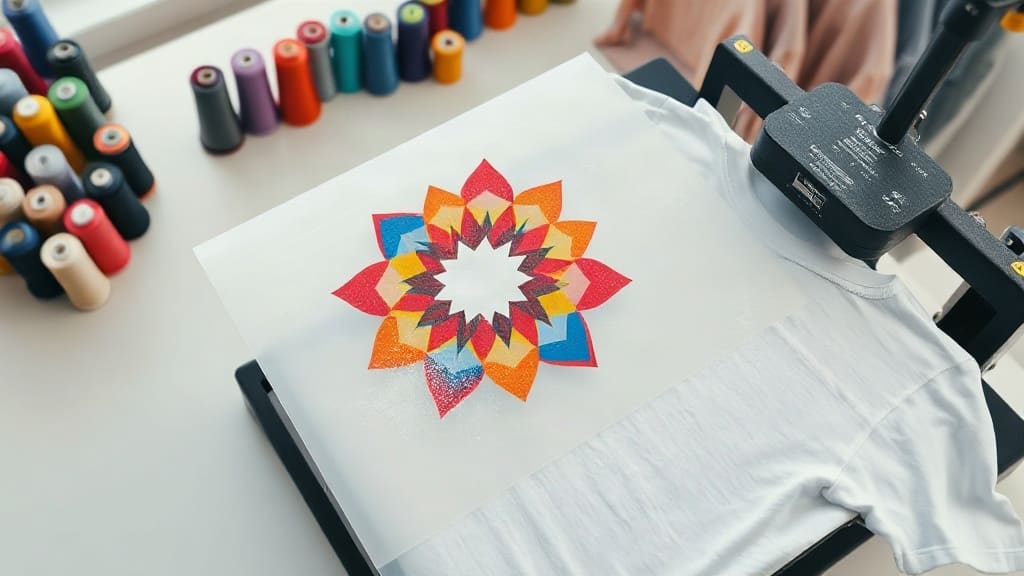
If you're looking for a versatile and cost-effective way to create custom apparel, DTF transfers have likely crossed your path. This printing method has taken the industry by storm, offering vibrant colors and durability that rival traditional screen printing. Whether you're a small business owner, a hobbyist, or just someone curious about custom printing, this guide will walk you through everything you need to know about DTF transfers. From the basics to advanced tips, you'll be equipped to start your own projects.
What Are DTF Transfers?
DTF stands for Direct to Film. Unlike direct-to-garment (DTG) printing, where the ink is applied directly onto the shirt, DTF transfers involve printing your design onto a special PET film, then transferring it to the fabric using a heat press. The result is a vibrant, detailed print that can be applied to a wide range of materials, including cotton, polyester, blends, and even leather.
One of the biggest advantages of DTF transfers is their versatility. You can print on dark and light colored garments, and the transfer has a soft hand feel, meaning the print doesn't crack or peel easily. Plus, the process is relatively simple, making it accessible for beginners and pros alike.
How DTF Transfers Work
Step-by-Step Process
- Printing: Use a DTF printer (usually an Epson or similar inkjet printer modified for DTF) to print your design onto a special PET film. The film is coated with a layer that holds the ink and release adhesive.
- Powdering: While the ink is still wet, apply a hot-melt adhesive powder over the printed area. This powder adheres to the ink and is crucial for bonding the transfer to the fabric.
- Melting: Place the film on a heat press or use a dryer to melt the powder. This step creates the adhesive layer that will stick to the garment.
- Transfer: Position the film on your garment with the printed side down, and press it with a heat press at around 160-170°C (320-338°F) for 15-20 seconds.
- Peel: After pressing, peel the film away (hot or cold, depending on the film type), and your design is permanently transferred.
Benefits of Using DTF Transfers
DTF transfers offer a host of benefits that make them a preferred choice in the printing industry:
- Vibrant Colors: The prints are rich and detailed, perfect for complex designs with gradients and fine lines.
- Durability: When applied correctly, DTF prints withstand many washes without fading or cracking.
- Versatility: Works on a wide range of fabrics, including those that are difficult to print on with other methods.
- Cost-Effective for Small Runs: Unlike screen printing, there's no setup cost, so it's economical for one-off prints and small batches.
- Soft Hand Feel: The print lays flat and doesn't have the thick, rubbery texture of some other transfers.
DTF vs. Other Printing Methods
DTF vs. DTG
Direct-to-garment printing is great for detailed designs, but it's limited to cotton fabrics and often requires pre-treatment for dark shirts. DTF transfers can be used on a wider range of materials and don't require pre-treatment, making them more flexible.
DTF vs. Screen Printing
Screen printing is excellent for large orders, but setting up screens is expensive and time-consuming. DTF transfers shine when you need small quantities or custom orders with multiple colors. They also allow for more detailed artwork without extra cost.
Tips for Getting the Best Results
Here are some practical tips to ensure your DTF transfers come out perfect every time:
- Use the Right Film: Invest in high-quality PET film that is compatible with your printer and powder. Cheap film can lead to poor adhesion.
- Powder Coating: Apply the powder evenly and shake off excess. Uneven powder can cause patchy prints.
- Heat Press Temperature: Ensure your heat press reaches the recommended temperature. Use a heat gun to verify if needed.
- Pressure: Apply firm, even pressure. Too little pressure can result in weak transfer, while too much can cause ghosting.
- Test First: Always do a test press on a scrap garment to check the settings before printing on your final product.
Common Mistakes to Avoid
Even experienced printers make mistakes. Here are a few to watch out for:
- Incorrect Powder Amount: Too much powder can make the print stiff; too little will cause it to peel off.
- Not Curing the Powder: If you don't melt the powder properly, the adhesive won't activate correctly.
- Using the Wrong Side of the Film: Always print on the correct side to ensure proper ink adhesion.
- Skipping Pre-Press: Pre-press your garment to remove moisture and wrinkles, which can affect adhesion.
Applications of DTF Transfers
The versatility of DTF transfers opens up a world of possibilities:
- Custom Apparel: T-shirts, hoodies, and caps.
- Sportswear: Jerseys and athletic wear, thanks to the stretchability of the prints.
- Workwear: Branded uniforms and safety vests.
- Home Textiles: Pillows, tote bags, and even canvas art.
- Leather Goods: Bags and accessories, as long as you use the right settings.
How to Start Your Own DTF Business
If you're thinking about turning this into a business, here's what you need to get started:
- Equipment: A DTF printer (you can convert a standard Epson EcoTank), a heat press, and a powder oven or dryer.
- Supplies: PET film, DTF ink, adhesive powder, and garments to print on.
- Software: A design program like Adobe Illustrator or Photoshop to create your artwork.
- Marketing: Build an online presence and showcase your work to attract customers.
One of the key decisions is whether to buy a complete DTF system or piece together your own. Many beginners opt for a kit that includes everything, but as you grow, you might upgrade components separately.
Costs and Investment
The initial investment can range from a few hundred dollars for a basic setup to several thousand for a professional system. Here's a rough breakdown:
- Printer: $200-$1000 depending on the model.
- Heat Press: $200-$800.
- Powder Shaker and Oven: $500-$1500.
- Supplies: Ongoing costs for film, ink, and powder.
While the upfront costs can be significant, the profit margins on custom prints are attractive, and you can recoup your investment quickly with consistent orders.
Maintenance and Troubleshooting
To keep your DTF equipment in top shape:
- Clean the Print Head: Regularly run a cleaning cycle to prevent clogs.
- Store Film Properly: Keep it in a cool, dry place to avoid moisture damage.
- Check the Powder: If prints aren't adhering well, the powder might be old or stored incorrectly.
- Common Issues: If you see blurry prints, check the ink density and nozzle alignment. If the transfer peels, increase pressure or temperature slightly.
Conclusion
In summary, DTF transfers are a game-changer in the custom printing world. They offer a perfect balance of quality, versatility, and cost-effectiveness for both small-scale and large-scale printing projects. With the right equipment and a bit of practice, you can produce professional-grade prints that will impress your customers or friends. Whether you're a seasoned printer or a curious beginner, DTF technology is definitely worth exploring. So, gather your supplies, experiment with designs, and bring your creative ideas to life.
Frequently Asked Questions
Can DTF transfers be used on any fabric?
Yes, one of the biggest advantages of DTF transfers is their compatibility with a wide range of fabrics, including cotton, polyester, blends, and even nylon. However, for best results, ensure the fabric is smooth and free of wrinkles.
How long do DTF transfers last?
DTF transfers are highly durable and can last for many washes, often 50 or more, without significant fading or cracking, provided they are applied correctly and cared for properly.
Do DTF prints crack?
When applied correctly, DTF prints are flexible and resistant to cracking. The use of a high-quality adhesive powder and proper heat pressing ensures a strong bond that withstands stretching and washing.
Can I use a regular home printer for DTF?
No, you need a printer that is specifically designed for DTF or a modified inkjet printer that can handle DTF ink and film. Standard home printers are not suitable because they lack the necessary ink and film compatibility.
What is the difference between DTF and sublimation?
Sublimation requires polyester fabrics and white or light-colored garments, and the ink becomes part of the fabric. DTF transfers work on various colors and fabric types, and the design is printed onto a film and then adhered to the garment, giving it more versatility.