
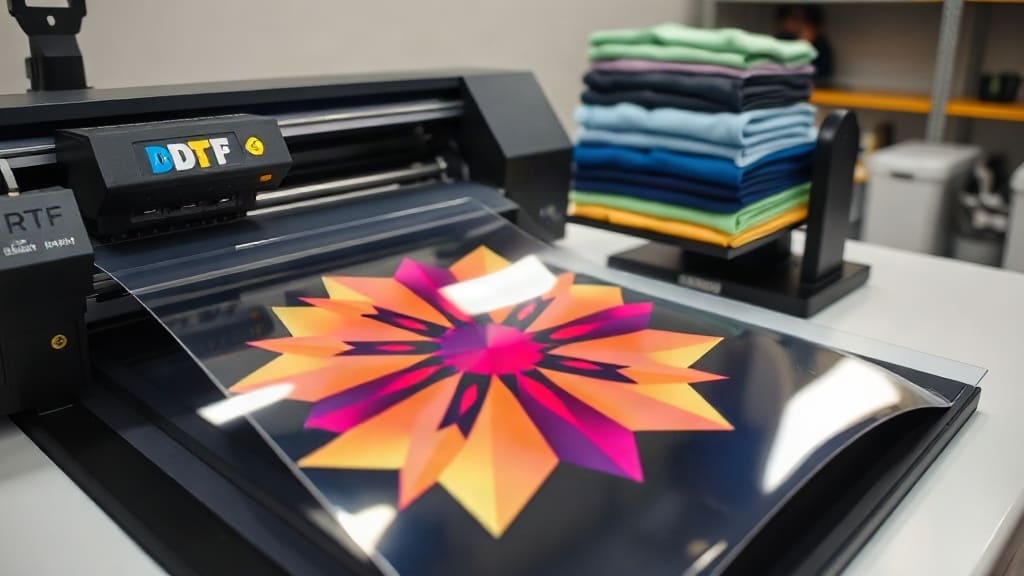
If you've been exploring custom apparel printing, you've likely heard about DTF transfers. This innovative method has taken the industry by storm, offering a unique blend of flexibility, durability, and vibrant color output. Whether you're a small business owner, a hobbyist, or someone simply curious about how your favorite custom tee is made, this guide is for you. I'll walk you through everything from the basics of DTF printing to practical tips for achieving professional results at home.
What Are DTF Transfers?
DTF stands for Direct to Film. Unlike direct-to-garment (DTG) printing, which prints directly onto the fabric, DTF printing involves printing your design onto a special PET film. After printing, a powder adhesive is applied to the wet ink, and the film is cured to activate the adhesive. The final transfer is then heat-pressed onto your garment, leaving a soft, durable print that can be applied to various fabrics.
The beauty of DTF transfers lies in their versatility. You can use them on cotton, polyester, blends, and even tricky materials like nylon or leather. They work on both light and dark colored fabrics without needing a white underbase, as the printer lays down white ink first when necessary. This makes DTF a go-to choice for many printers.
The DTF Printing Process: Step by Step
Understanding the process demystifies why DTF transfers look so good. Let's break it down:
- Design Preparation: Your artwork is prepared in design software, usually with CMYK plus white ink channels. The white ink acts as a base for dark garments, ensuring colors pop.
- Printing: A specialized DTF printer prints the design onto a PET film. The film is coated to hold the ink and later release it during pressing.
- Adhesive Powder Application: While the ink is still wet, a hot-melt adhesive powder is applied over the printed film. The powder sticks only to the inked areas.
- Curing: The film passes through a curing oven or is heat-pressed briefly to melt the adhesive powder, fusing it with the ink.
- Transfer: The cured film is placed onto your garment, and a heat press applies pressure and temperature, typically around 160°C (320°F) for 15 seconds. The design transfers completely from the film to the fabric.
- Peeling: After pressing, you peel off the film, revealing your vibrant print. Some films require hot peeling, others cold, depending on the manufacturer's instructions.
This streamlined process makes DTF ideal for on-demand production and small batches, as there's no screen setup cost or lengthy prep time.
Why Choose DTF Transfers? Top Benefits
I've tested various printing methods, and DTF stands out for several reasons:
- Durability: DTF prints are highly resistant to cracking, peeling, and fading. They can withstand numerous washes, maintaining their original look.
- Versatility: As mentioned, DTF works on almost any fabric type, including polyester sportswear where dye sublimation fails.
- No Weeding: Unlike vinyl heat transfers, DTF requires no weeding. The entire design transfers seamlessly, even intricate details.
- Soft Hand Feel: The adhesive layer creates a soft texture that doesn't feel plasticky. It's often compared to screen printing but with more elasticity.
- Cost-Effective: For small to medium runs, DTF is cheaper than screen printing because there are no screens to burn. It's also less wasteful.
- White Ink Efficiency: DTF printers deposit white ink precisely, saving ink and reducing overspray compared to DTG.
These advantages make DTF a preferred choice for custom apparel businesses, especially those offering personalized products like t-shirts, hoodies, and tote bags.
DTF vs. Other Printing Methods
To truly appreciate DTF, you should compare it with other popular techniques:
DTF vs. DTG (Direct to Garment)
DTG prints directly onto the shirt using a printer similar to an inkjet. It works best on 100% cotton and requires a pretreatment for darker fabrics. DTG is excellent for high-detail, full-color designs but has a slower production rate. DTF transfers, on the other hand, can be pre-printed and stored, making them faster for bulk orders. DTF also adheres better to polyester blends, which are common in activewear.
DTF vs. Screen Printing
Screen printing is the traditional method for large orders, offering vibrant colors and longevity. However, it involves significant setup costs and time, making it impractical for small runs. DTF eliminates setup, allowing you to print one item or a thousand with equal ease. For orders under 50 pieces, DTF is often more economical. Plus, DTF handles gradients and photographic images better than screen printing.
DTF vs. Vinyl Heat Transfer
Vinyl heat transfer involves cutting designs from colored vinyl sheets and weeding out the excess. It's perfect for simple, single-color designs but falls short with complex, multi-colored artwork. DTF transfers reproduce any design without weeding, saving time and effort. Vinyl can also crack and peel over time, while DTF remains flexible and durable.
How to Use DTF Transfers: A Practical Guide
If you've purchased DTF transfers or are thinking about making your own, here's how to apply them correctly:
- Preheat your heat press to the recommended temperature, usually 160-170°C (320-340°F). Ensure the pressure is set to medium, around 4-5 bar.
- Pre-press the garment for 3-5 seconds to remove moisture and wrinkles. This ensures better adhesion.
- Place the transfer face down on the garment, ensuring it's positioned exactly where you want it.
- Apply heat and pressure for 15-20 seconds. Use a light pressing motion without moving the film.
- Peel the film hot or cold as per the transfer's instructions. Hot peeling gives a matte finish, while cold peeling yields a glossy look. For best results, follow the supplier's guidance.
- Re-press if needed: If any edges lift, cover with parchment paper and press again for 5 more seconds.
Always test on a sample garment first to ensure you've got the right time and temperature for your specific transfer.
Tips for Getting the Best Results
Over the years, I've learned some tricks that improve DTF outcomes:
- Use high-quality films and inks: Cheap materials can lead to poor adhesion and color bleeding. Invest in reputable brands.
- Maintain your printer: Regularly clean printheads and use proper maintenance to avoid clogging, especially with white ink.
- Calibrate color profiles: Ensure your design software is color-managed to match the printer's output.
- Handle the film carefully: Avoid touching the printed surface to prevent smudging the powder.
- Store unused transfers in a cool, dry place: Moisture can affect the adhesive powder.
- Wash garments inside out: This extends the life of any print, including DTF.
Common Mistakes to Avoid
Even experienced printers can slip up. Here are pitfalls to watch for:
- Incorrect temperature: Too low and the adhesive won't melt properly; too high and the film may warp or the garment scorch.
- Using wrong pressure: Too little pressure leads to incomplete transfer; too much can cause ghosting or bleeding.
- Skipping pre-press: Always pre-press to remove moisture, which can cause bubbles.
- Peeling too quickly: If the instructions say cold peel, wait for the film to cool to room temperature. Pulling too soon can lift the design.
- Not testing: Always run a test print to fine-tune settings for your specific fabric and transfer.
By avoiding these errors, you'll save time and materials.
DTF Transfers in Business: Opportunities and Applications
The rise of DTF transfers has opened new doors for entrepreneurs. You can start a custom apparel business with relatively low upfront costs. Here are some applications:
- Custom T-Shirts: Perfect for events, team uniforms, or personal gifts.
- Workwear: Durable prints on jackets, aprons, and safety vests.
- Sportswear: DTF works on polyester and other performance fabrics, making it ideal for gym wear and jerseys.
- Tote Bags and Accessories: Expand your product range with bags, hats, and phone cases.
- Personalized Items: From pet portraits to family photos, DTF can reproduce detailed images.
If you're considering offering DTF services, you can either invest in a DTF printer or use third-party transfer providers. This flexibility allows you to test the market without heavy investment.
Environmental Considerations
No printing method is entirely eco-friendly, but DTF has some advantages. It produces less waste because you print only what you need, unlike screen printing which uses screens and squeegees. Water-based inks are common in DTF, reducing VOC emissions. However, the PET film is a plastic waste. Some companies offer recycled or biodegradable films, but they're not yet mainstream. To minimize impact, you can recycle the backing film through specialized programs or reuse it for test prints.
Frequently Asked Questions (FAQs)
How many washes can DTF transfers withstand?
With proper application and care, DTF transfers can last for 50 or more washes without significant fading or cracking. The durability depends on factors like the quality of materials, the pressing process, and garment care. Washing inside out in cold water and avoiding harsh detergents will extend the print's life.
Can DTF transfers be used on dark colored garments?
Absolutely. DTF transfers are excellent for dark fabrics because they include a white ink layer that provides opacity. When printing, the white ink is laid down first, followed by the colored inks. This ensures the design pops regardless of the garment color. Just make sure your transfer is optimized for dark materials.
Do I need a special printer to make DTF transfers?
Yes, DTF printing requires a printer that can handle white ink. Many people convert eco-solvent or latex printers to DTF, but dedicated DTF printers are recommended for best results. They come in various sizes, from desktop models for small businesses to large-format industrial machines.
Are DTF transfers suitable for use on polyester?
Yes, DTF is one of the few methods that work well on polyester. Unlike sublimation, which only works on polyester and requires white garments, DTF can print on any color and fabric type. This makes it a versatile choice for sportswear and athletic apparel.
What is the difference between hot and cold peel DTF transfers?
Hot peel transfers are removed from the garment immediately after pressing, which gives a matte finish. Cold peel transfers require waiting for the film to cool before peeling, resulting in a glossier look. The choice depends on the desired finish and the specific transfer product. Always follow the manufacturer's instructions for best results.
Final Thoughts on DTF Transfers
DTF transfers have revolutionized custom apparel printing, making it more accessible and versatile than ever before. Whether you're a professional printer looking to expand your services or a beginner starting a side hustle, DTF offers an excellent balance of quality, cost, and ease. With the right equipment and a bit of practice, you can produce stunning, durable prints that will delight your customers. I hope this guide has given you the confidence to explore DTF further. If you have more questions, feel free to drop them below, and I'll be happy to help.