
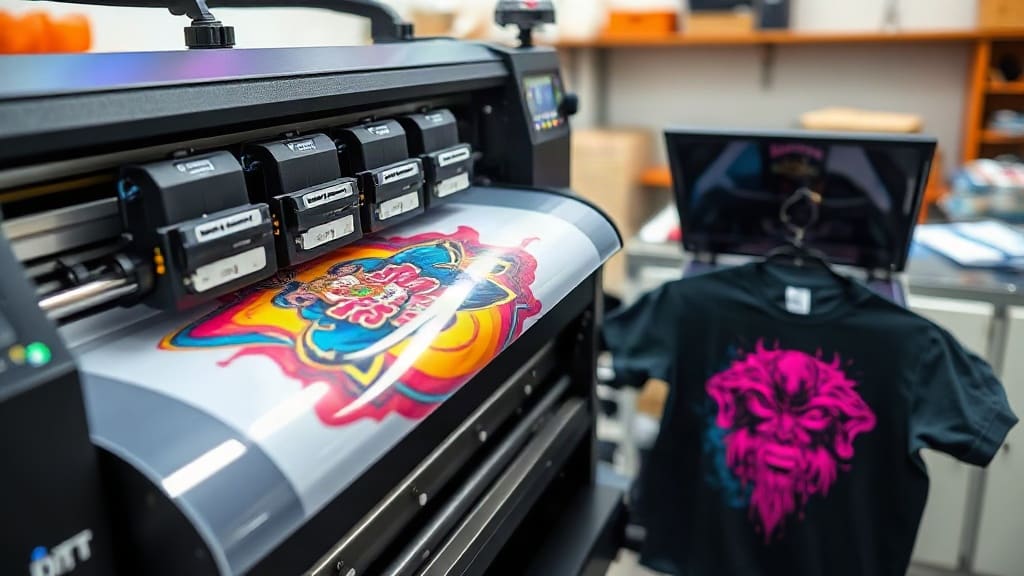
DTF transfers have revolutionized the custom printing industry, offering a versatile and cost-effective method for producing high-quality designs on various fabrics. Whether you're a small business owner or a hobbyist, understanding DTF transfers can open up a world of creative possibilities. This guide will walk you through the essentials, from the technology behind it to practical tips for achieving professional results.
What Are DTF Transfers?
DTF, or Direct to Film, is a printing technique where designs are printed onto a special film, then transferred onto fabric using heat and pressure. Unlike traditional screen printing or heat transfer vinyl, DTF transfers allow for vibrant, detailed images with no need for weeding or complex setups.
The process begins by printing your design onto a PET film using a DTF printer equipped with white ink and CMYK colors. A powder adhesive is applied to the wet ink, and then the film is cured. When ready, the film is placed onto the garment and heat-pressed, leaving behind a durable, stretchy print.
Why Choose DTF Transfers?
There are several compelling reasons why DTF has become a favorite among print shops and DIY enthusiasts alike.
Versatility Across Fabrics
One of the biggest advantages of DTF transfers is their ability to adhere to a wide range of materials, including cotton, polyester, blends, and even leather or denim. This flexibility makes it ideal for creating custom apparel, tote bags, and other promotional items.
Vibrant Colors and Fine Details
DTF printing produces exceptionally sharp and colorful results. Because white ink is printed as a base layer, colors pop even on dark fabrics. Fine lines and intricate designs are reproduced with precision, making it perfect for logos and complex artwork.
Cost-Effective for Small Runs
Unlike screen printing, which requires expensive setup for each design, DTF transfers are relatively low-cost for short production runs. You can print one or many items without significant overhead, making it an excellent choice for custom orders and small businesses.
Durability and Comfort
The prints from DTF transfers are known for their durability. They can withstand multiple washes without cracking or fading, and the thin film layer ensures the fabric remains soft and breathable.
The DTF Transfer Process: Step by Step
To achieve the best outcomes, follow this systematic approach.
- Design and Prepare: Create your artwork using graphic software, ensuring it's in the correct format and resolution (300 DPI). Mirror the design horizontally if needed.
- Printing: Load the PET film into your DTF printer. Print with CMYK colors first, then lay down the white ink layer. Use high-quality inks for optimal opacity.
- Adhesive Application: While the ink is still wet, shake and sprinkle the hot-melt adhesive powder evenly over the design. Ensure full coverage, especially in areas with white ink.
- Curing: Pass the film through a curing oven or heat tunnel to melt the powder and bond it to the ink. This step is crucial for adhesion.
- Transfer: Place the film onto your garment, adhesive side down. Apply heat and pressure with a heat press at around 160°C (320°F) for 10-15 seconds.
- Peel: Let the film cool slightly, then peel it off to reveal your print. For best results, use a stretchy, matte film that peels cleanly.
Essential Equipment and Supplies
To start with DTF transfers, you'll need the following.
- DTF Printer: Often an Epson or Ricoh printer modified to handle DTF inks. Some models come ready for DTF printing.
- DTF Inks: Specifically formulated for DTF, including pigment inks and white ink. Choose reputable brands for consistency.
- PET Film: This is the transfer medium. Use high-quality film to avoid jams and ensure proper feeding.
- Adhesive Powder: Typically a thermoplastic polyurethane (TPU) powder that melts during the transfer.
- Heat Press: A clamshell or swing-away press with precise temperature control.
- Curing Oven or Tunnel: For melting the powder onto the film. Some use a heat gun or a heat press with a special attachment.
Tips for Perfect DTF Transfers
Getting the best results requires attention to detail. Here are some professional tips to elevate your DTF game.
- Use Quality Materials: Cheap films or inks can cause poor adhesion or color issues. Invest in reputable supplies.
- Calibrate Your Printer: Regularly clean and maintain your printhead to prevent streaks and ensure consistent ink flow.
- Monitor Temperature and Time: Too high heat can scorch the fabric, while too low may result in incomplete transfer. Test on scrap material first.
- Consider Fabric Type: Thicker materials like hoodies may require longer press times. Adjust accordingly.
- Pre-Press the Garment: A quick pre-press removes moisture and wrinkles, leading to a smoother transfer.
- Store Films Properly: Keep unused printed films in a cool, dry place to prevent moisture damage.
Common Mistakes to Avoid
Even experienced printers can run into issues. Here are pitfalls to steer clear of.
- Incorrect Mirroring: Remember to mirror your design before printing, otherwise your transfer will be reversed.
- Uneven Powder Application: Too little powder leads to weak adhesion, while too much can cause a stiff feel. Use a shaker box for even coverage.
- Skipping Curing: If the adhesive isn't fully melted, the transfer may peel off. Ensure proper curing time.
- Peeling Too Hot: Peeling while the film is hot can cause ink to tear. Wait for it to cool for a clean peel.
- Ignoring Test Runs: Always do a test print to check colors and adhesion before running a full batch.
Applications of DTF Transfers
The possibilities are endless. DTF transfers are perfect for creating custom t-shirts, sports jerseys, and workwear. They're also great for personalizing accessories like caps, bags, and even shoes. Many businesses use them for promotional products and event merchandise.
Because DTF prints are flexible and durable, they can be applied to stretchy fabrics without cracking, making them ideal for activewear and dancewear.
Maintenance and Troubleshooting
To keep your DTF setup running smoothly, regular maintenance is key. Clean your printer's capping station and perform nozzle checks daily. Use a cleaning solution to flush the lines periodically.
If you experience issues like poor adhesion or color fading, check the following: the film's quality, the expiry of your inks, and the temperature of your press. Adjusting these variables often solves the problem.
Frequently Asked Questions
Can DTF transfers be used on dark fabrics?
Yes, and they excel on dark colors. The white ink layer provides a solid base, ensuring that the colors remain vibrant and true to the design.
How many washes can a DTF transfer withstand?
Properly applied DTF transfers can last for many washes, typically over 50, without significant fading or cracking. Washing inside out and avoiding high heat in the dryer can extend their lifespan.
What is the difference between DTF and DTG printing?
DTG (Direct to Garment) prints directly onto the fabric, while DTF prints onto a film that is then transferred. DTF is often preferred for its versatility across many fabric types and the ability to print on demand without pre-treatment.
Can I use a regular inkjet printer for DTF?
No, DTF requires a specialized printer that handles white ink. Regular inkjet printers lack the capability to print white pigment, which is essential for the process.
Is DTF cost-effective for small businesses?
Absolutely. DTF eliminates the need for screen frames and setup time, making it economical for small batches. You can also print designs on demand, reducing inventory costs.
Conclusion
DTF transfers have become a game-changer in the custom printing world, offering a blend of versatility, quality, and affordability. Whether you're just starting or looking to expand your services, mastering DTF transfers can significantly boost your creative and business potential. By following the steps and tips outlined here, you'll be well on your way to producing stunning, durable prints that your customers will love.