
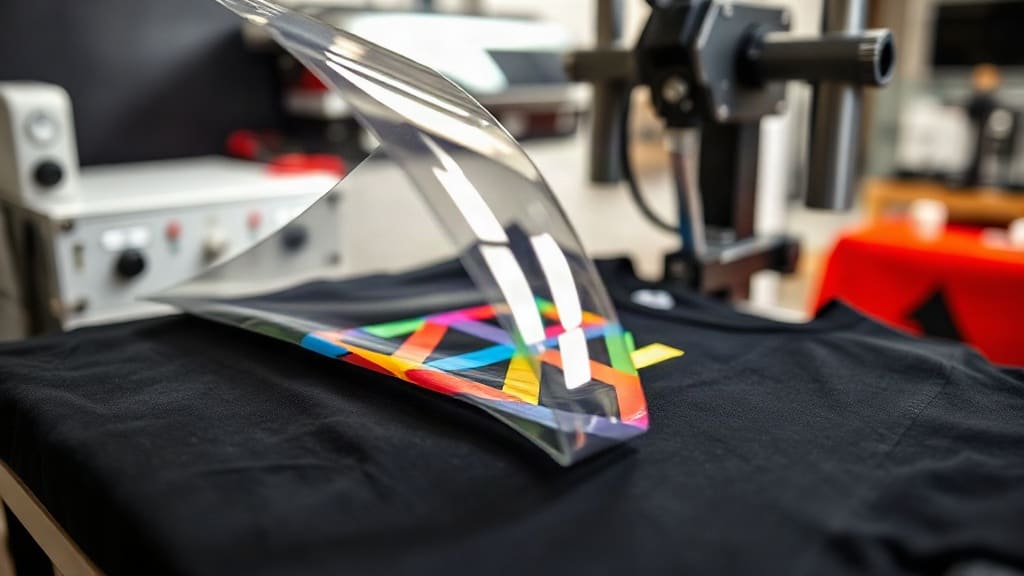
If you've been searching for a way to produce custom apparel that looks professional, feels soft, and lasts through countless washes, DTF might be exactly what you need. DTF, which stands for Direct to Film, is a printing method that has taken the industry by storm. It's not just a fad; it's a practical solution for businesses and hobbyists alike. In this article, we'll dive deep into what makes dtf transfers so popular, how they compare to other methods, and why you should consider them for your next project. Whether you're a small business owner or someone who loves creating unique shirts at home, understanding this technology can save you time, money, and frustration.
What Exactly Are DTF Transfers?
Let's break it down. DTF printing involves printing your design onto a special PET film using a printer loaded with CMYK ink and white ink. After printing, an adhesive powder is applied to the wet ink, and the film is heated to cure the adhesive. The result is a film with your design that you can later transfer onto a garment using a heat press. The process sounds simple, but it opens up a world of possibilities because you can print detailed, colorful designs and apply them to a variety of fabrics.
The Magic Behind the Transfer
The key to DTF's versatility lies in its ability to adhere to many materials. Unlike vinyl or screen printing, which can be limited by fabric type or texture, dtf transfers stick well to cotton, polyester, blends, and even tricky surfaces like nylon or leather. The adhesive layer bonds with the fabric, creating a print that flexes and moves with the material without cracking.
Why Choose DTF Over Other Methods?
There are several ways to decorate apparel, and each has its strengths. But DTF offers unique benefits that make it a standout choice for many.
Vibrant Colors and Intricate Details
One of the first things you'll notice with DTF prints is the color saturation. Because the design is printed with white ink as a base, colors pop even on dark fabrics. You can achieve gradients, shadows, and fine lines that would be difficult or impossible with vinyl. If you're creating designs with lots of detail, like a full-color logo or a photograph, DTF is your friend.
Soft Hand Feel
Nobody wants a stiff, plasticky print on their shirt. DTF transfers have a soft, almost rubbery texture that becomes nearly unnoticeable after the first wash. The adhesive layer is thin, and the ink is absorbed into the fabric, so the print doesn't feel heavy or thick. This comfort factor is a big selling point for customers who care about how their clothes feel.
Works on a Wide Range of Fabrics
As mentioned earlier, DTF is not picky about fabric. Whether you're printing on performance wear made of polyester, a cotton tote bag, or a denim jacket, DTF handles it all. This flexibility means you can offer a diverse product line without needing multiple printing systems. For a small business, this is a game-changer because you can test new products without investing in different equipment.
Cost-Effective for Small Batches
Screen printing has high setup costs, making it impractical for orders of one or two. DTF, however, has minimal upfront costs. You can print a single transfer for a custom order and still make a profit. This is perfect for personalized items or limited edition runs. Plus, you can print multiple designs on one sheet of film, maximizing your material usage.
How to Use DTF Transfers at Home or in Your Business
If you're ready to give DTF a try, you have two main options: buy your own printer and supplies, or order dtf transfers from a service provider. Let's explore both paths.
Option 1: Invest in Your Own DTF Printer
Setting up a DTF station involves purchasing a printer (often a converted Epson or a dedicated DTF printer), PET film, DTF ink, adhesive powder, and a heat press. The initial cost can be several thousand dollars, but if you plan to print frequently, the per-item cost drops significantly. The learning curve includes understanding color management, powder application, and curing times. It's rewarding, but it takes practice.
Option 2: Order from a DTF Service
Many print shops now offer DTF transfer services. You simply upload your design, choose the size and quantity, and they ship you ready-to-press transfers. This is ideal if you don't want to deal with the technical aspects of printing. When looking for a reliable provider, you might search for "dtf transfers near me" to find local options, but don't overlook online services that offer fast shipping and competitive prices. The advantage is that you can start pressing shirts right away without a massive investment.
Step-by-Step Pressing Guide
Once you have your DTF transfers, the application process is straightforward:
- Pre-press your garment for 2-3 seconds to remove moisture and wrinkles.
- Place the transfer film on the shirt, design side down.
- Press with a heat press at around 320°F (160°C) for 10-15 seconds with medium to firm pressure.
- Peel the film off either hot or cold, depending on the instructions. Some prefer hot peel for easier removal, but always test.
- For extra durability, you can re-press briefly with a protective sheet.
That's it! You have a professional-looking print that's ready to wear.
Real-World Applications: What Can You Create with DTF?
The possibilities are endless. Here are some ideas:
- Custom t-shirts for events, sports teams, or family reunions.
- Branded merchandise for your business, like polos or hoodies.
- Personalized gifts, such as a shirt with a photo or a funny saying.
- Fashion items like custom jeans or jackets.
- Accessories like caps, tote bags, or even shoes.
Because DTF is so versatile, you can expand your product range and attract more customers. For instance, a boutique owner could offer both cotton tees and performance tanks with the same quality prints.
Comparing DTF to Other Popular Methods
To truly appreciate DTF, let's compare it to other common techniques.
DTF vs. Sublimation
Sublimation is great for polyester and requires white or light-colored garments because the ink becomes part of the fabric and can't print white. DTF, on the other hand, works on dark and light fabrics, and it can produce white elements. However, sublimation is often superior for all-over prints on polyester because there's no hand feel. But for most designs, DTF offers more versatility.
DTF vs. Screen Printing
Screen printing is unmatched for large orders because the cost per unit drops significantly. However, each color requires a separate screen, making it costly for small batches or multi-colored designs. DTF is more flexible for short runs and complex color jobs. If you're printing 1000 identical shirts, screen printing may be cheaper, but for 20 shirts with a four-color logo, DTF is the winner.
DTF vs. Heat Transfer Vinyl (HTV)
HTV is great for simple, solid-color designs. It's easy to cut and press, but it can't achieve photorealistic prints or gradients. DTF gives you that full-color capability while still being easy to apply. Additionally, HTV often has a thicker feel and can crack over time, whereas DTF is more flexible and durable.
Tips for Getting the Best Results with DTF Transfers
Whether you're a beginner or a pro, these tips will help you achieve flawless prints every time.
Choose the Right Resolution
Your design file should be at least 300 DPI to ensure crisp details. If you're using a service, they'll typically handle the printing, but for your own printer, always check the resolution settings.
Mind the White Ink
White ink is essential for printing on dark fabrics, but it can also affect the colors. If your design has areas that should be transparent, make sure to remove the white underbase in those areas in your design software. Otherwise, you'll get a white box behind your design.
Test on a Scrap Fabric
Before pressing your final garment, always test on a similar fabric. This ensures you have the right temperature, pressure, and time. Different fabrics may require slight adjustments.
Store Transfers Properly
If you're buying transfers in bulk, store them in a cool, dry place away from direct sunlight. Excessive heat or humidity can cause the adhesive to degrade, leading to poor adhesion.
Finding the Right DTF Transfer Supplier
If you're not printing your own, finding a reliable supplier is crucial. Here's what to look for:
- Quality: Ask for samples to check color accuracy, durability, and hand feel.
- Turnaround time: Choose a supplier that can meet your deadlines.
- Customer support: You want a company that answers questions and resolves issues.
- Pricing: Compare prices per square foot or per transfer, but don't sacrifice quality for cost.
When searching online, using local keywords like "dtf transfers near me" can help you find nearby businesses, but also consider national companies that offer quick shipping. Read reviews and ask for referrals from other crafters or business owners.
Common Mistakes to Avoid
Even experienced printers can run into issues. Here are some pitfalls to watch out for:
- Peeling the film too quickly or too slowly. Always follow the manufacturer's instructions.
- Not pre-pressing the garment. This removes moisture and ensures a clean surface.
- Using the wrong pressure. Too little pressure will result in a weak bond; too much can cause the ink to spread.
- Ignoring the care instructions. DTF prints should be washed inside out in cold water and not ironed directly on the design.
Frequently Asked Questions About DTF Transfers
How long do DTF transfers last on a shirt?
With proper application and care, DTF prints can last for many washes, often over 50. They are resistant to cracking and fading, making them a durable choice. Always wash inside out and avoid high heat drying to extend the life.
Can I use DTF transfers on polyester?
Yes, DTF works on polyester and polyester blends. The adhesive bonds well with synthetic fibers, though you may need to lower the pressing temperature slightly to avoid melting the fabric. Test on a sample first.
What is the difference between DTF and sublimation?
Sublimation turns from solid to gas and bonds with polyester fibers, requiring light garments. DTF prints onto a film and transfers to any fabric, including cotton, and can include white ink. DTF is more versatile for colors and fabric types.
Do I need a heat press for DTF transfers?
Yes, a heat press is essential to apply DTF transfers correctly. While you can use a home iron, it's difficult to achieve even pressure and temperature. A heat press ensures consistent results.
How should I care for garments with DTF prints?
Wash inside out in cold water and tumble dry on low or hang dry. Avoid using bleach or ironing directly over the print. If you need to iron, place a protective sheet over the design.
Conclusion: Why DTF Transfers Are Here to Stay
In the world of custom apparel, dtf transfers offer an unbeatable combination of quality, versatility, and convenience. They empower small businesses and DIY enthusiasts to create professional-looking products without breaking the bank. The ability to print on any fabric with vibrant colors and a soft hand feel makes DTF a top contender against traditional methods. Whether you're producing one-off custom shirts or building a brand, incorporating DTF into your workflow can elevate your offerings and delight your customers.
If you haven't tried DTF yet, now is the perfect time. Start by ordering a few transfers from a trusted provider or invest in a starter kit. Experiment with different fabrics and designs to see the magic for yourself. You'll quickly discover why so many people are making the switch. And remember, when you search for "dtf transfers near me," you're not just finding a product; you're unlocking a creative tool that can take your projects to the next level.